What is Structural Steel Construction?
Structural steel construction is a fundamental aspect of many modern building practices, offering strength, durability, and flexibility in design. It encompasses a variety of shapes and profiles made from steel, utilized in the construction of frameworks that support loads in buildings, bridges, and other structures. Structural steel construction has become indispensable due to its efficiency and resilience under a wide range of conditions.
Definition and Overview of Structural Steel
Structural steel refers to steel that is shaped into specific forms capable of bearing loads. Common structural shapes include I-beams, H-beams, channels, and plates, which are optimized for various loads and structural requirements. The versatility of structural steel allows it to be used across a spectrum of building types, from residential homes to skyscrapers and large industrial facilities.
Types and Grades of Structural Steel
Structural steel comes in several grades, determined by its chemical composition and the mechanical properties that affect its strength, ductility, and weldability. Common grades include:
- Grade A992: Primarily used in high-rise buildings due to its high strength and excellent welding characteristics.
- Grade A572: This grade features a balanced combination of strength, weldability, and resistance to corrosion, making it suitable for bridges and heavy structures.
- Grade S235: A commonly used steel in construction, especially in Europe, known for its good cold-forming properties.
- Grade S355: Offers better strength than S235 and is often used in applications requiring greater robustness.
Each grade of structural steel has specific applications based on the structural requirements and environmental conditions expected in its use.
Benefits of Using Structural Steel in Construction
The advantages of using structural steel in construction are numerous and impactful. Some of the most notable benefits include:
- High Strength-to-Weight Ratio: Structural steel's strength allows for greater spans and reductions in the amount of material needed, thereby lowering construction costs.
- Durability: Steel structures are resistant to decay, pests, and other conditions that can degrade materials like wood. Properly maintained, structural steel can last over a century.
- Sustainability: Steel is highly recyclable, and using steel construction materials can significantly reduce the carbon footprint of a project.
- Design Flexibility: The versatility of steel allows architects and engineers the freedom to create innovative designs that were previously unimaginable.
- Rapid Construction: Pre-fabricated steel components can be quickly assembled on-site, leaving less room for delays in project timelines.
Common Applications of Structural Steel Construction
Residential and Commercial Building Projects
In residential and commercial applications, structural steel is increasingly utilized for its speed of assembly and cost-effectiveness. Steel frames can be designed for both skyscrapers and simple housing developments.
Infrastructure Development and Industrial Uses
Structural steel plays a critical role in infrastructure projects such as bridges, telecommunications towers, and transportation terminals. Its durability and ability to withstand environmental stresses make it ideal for these applications.
Importance in Modern Architecture
Architecture today embraces the aesthetic possibilities of structural steel, using it not only for practicality but also as a design element. The exposed steel beams in buildings contribute to contemporary architecture and urban design, marrying form with function.
Design and Engineering Principles for Structural Steel
Load-Bearing Calculations and Structural Integrity
Effective engineering of structural steel involves meticulous load-bearing calculations. These calculations ensure that all components of a structure can sustain the anticipated loads without risk of failure.
Design Standards and Guidelines
Adhering to established design standards such as those issued by the American Institute of Steel Construction (AISC) is paramount. These guidelines dictate practices for safety, efficiency, and structural integrity throughout the construction process.
Software Tools for Structural Steel Design
Modern structural engineering greatly benefits from advanced software tools which facilitate the design and analysis of steel structures. Programs such as AutoCAD, SAP2000, and Tekla Structures allow for precise modeling and calculations, helping to minimize errors and redefine efficiency in design processes.
Construction Techniques for Structural Steel
Fabrication Processes and Techniques
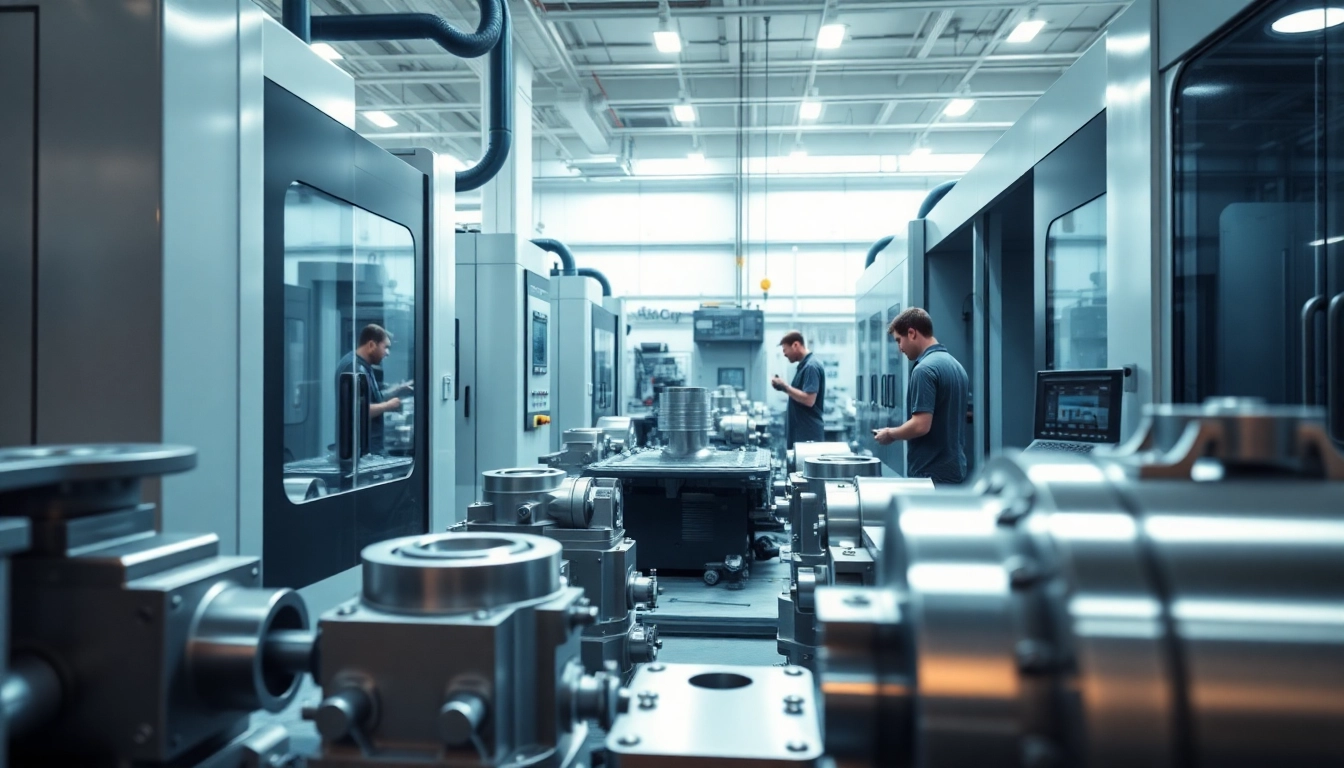
Fabricating structural steel involves several processes including cutting, welding, and shaping the raw steel into specified components. Advanced milling machines and robotic welders contribute precision and repeatability in fabrication, producing high-quality steel elements ready for construction.
Site Preparation and Assembly Methods
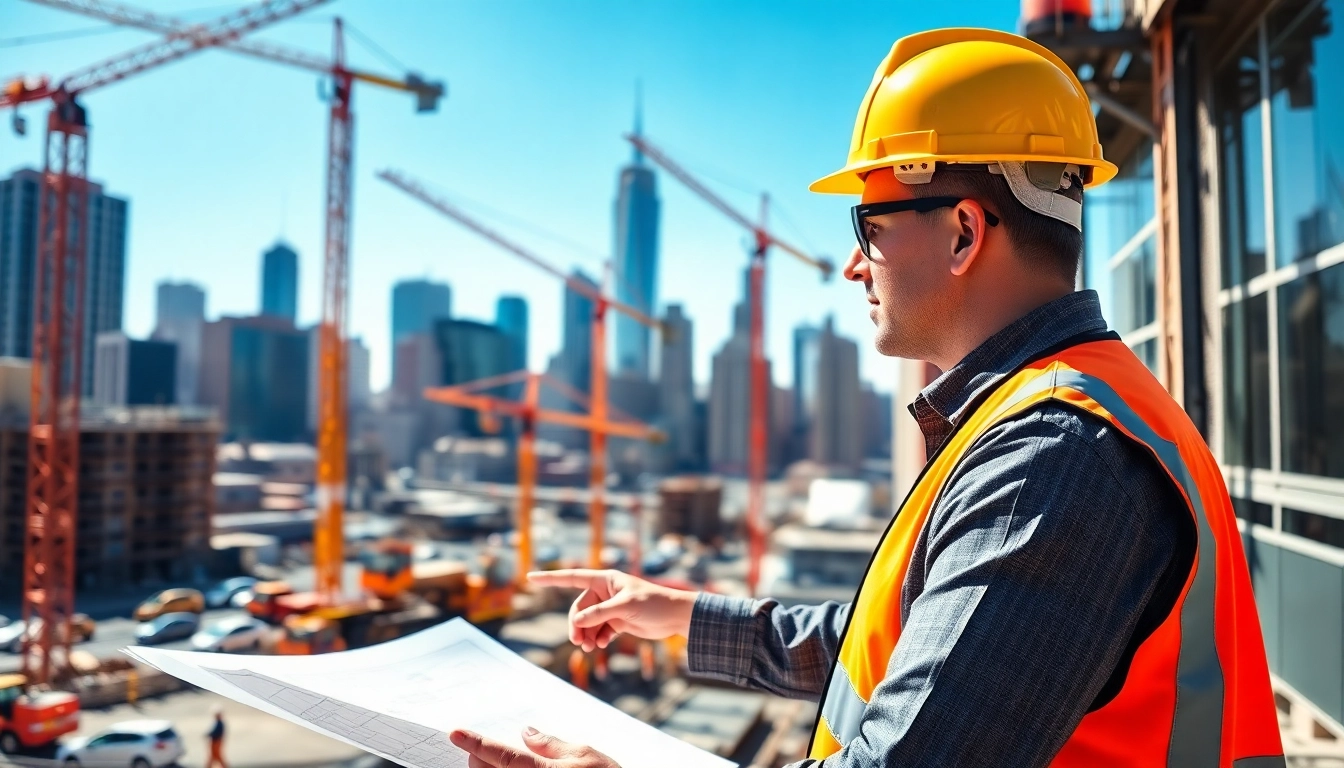
Once steel components are fabricated, preparing the site for assembly becomes crucial. This includes establishing the foundation, ensuring proper alignment, and using cranes and platforms to assemble the structure safely and efficiently on-site.
Safety Measures During Construction
Construction sites present unique safety hazards. Implementing stringent safety protocols, including fall protection, equipment safety training, and routine safety audits, is essential to ensure the safety of all personnel involved in the construction of structural steel projects.
Future Trends in Structural Steel Construction
Innovations in Steel Production and Sustainability
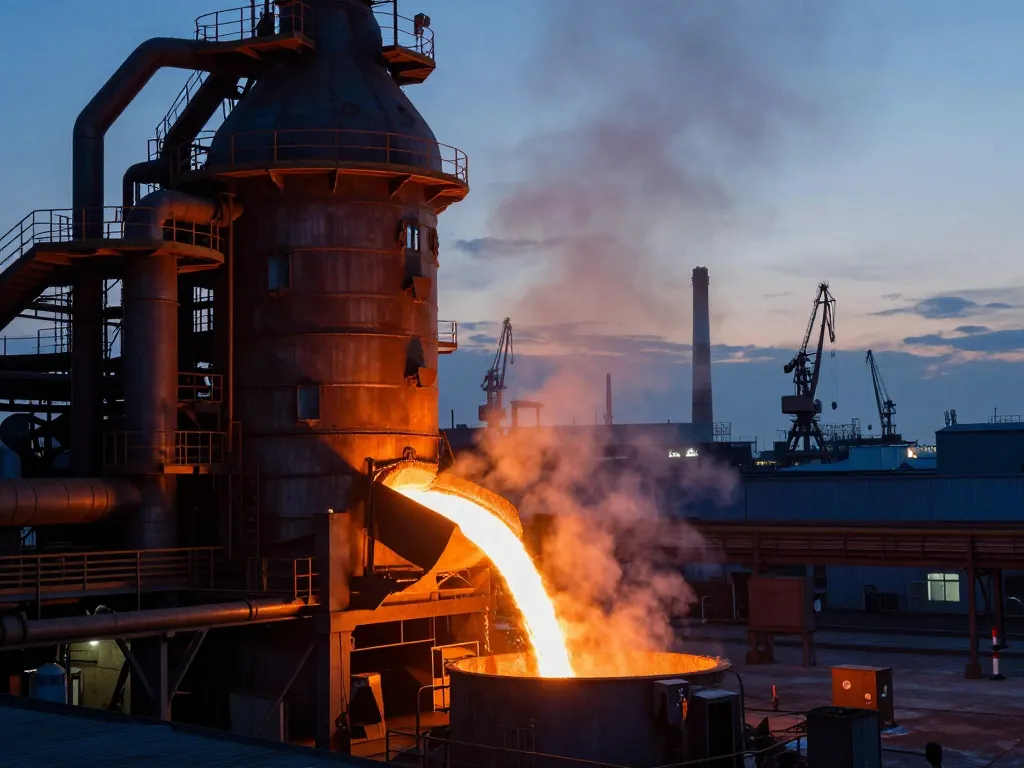
The future of structural steel construction is poised for growth, with innovations focusing on sustainable practices. New techniques in steel production, including the use of low-emission processes and recycled materials, improve the ecological footprint of steel construction.
Smart Technology and Automation in Steel Construction
Integrating smart technologies into construction processes, such as Building Information Modeling (BIM) and IoT devices, enhances efficiency, safety, and real-time data collection and analysis during projects. Automation is streamlining various aspects of construction, leading to higher productivity and lower costs.
Challenges and Solutions for the Future
As the industry evolves, challenges such as material costs, regulatory compliance, and labor shortages remain. Proactively addressing these challenges through collaboration, training, and investing in technology will be vital to maintaining the growth and evolution of structural steel construction into the future.