Understanding Paint Protection Film
What is Paint Protection Film?
Paint Protection Film (PPF) is a transparent, thermoplastic urethane film designed to protect vehicle paint from chips, scratches, stains, and other forms of environmental damage. Often referred to as "clear bra," it is specifically engineered to adhere to the vehicle’s surface while offering high durability and flexibility. The film serves as a shield, absorbing impacts and acting as a barrier against dirt, oils, UV rays, and road debris, ensuring that the underlying paint retains its luster and integrity over time.
How Does Paint Protection Film Work?
Paint Protection Film utilizes advanced adhesive technology to bond firmly with the vehicle's paint. The film itself is composed of multiple layers, including a top coat that resists abrasions and UV damage. When applied, the PPF conforms to the contours of the vehicle, ensuring a seamless fit that mimics the original paint surface. This adaptive nature allows it to self-heal from minor scratches and swirl marks, making it an ideal solution for maintaining the aesthetic appeal of any vehicle. The protective qualities help prevent oxidation and paint fading over time, enhancing both the longevity and the resale value of the car.
Benefits of Using Paint Protection Film
- Protection from Physical Damage: The primary benefit of PPF is its ability to guard against stone chips, scratches, and scuffs, preserving the paintwork.
- Self-Healing Properties: Minor abrasions can be repaired simply by heat—sunlight or engine warmth can often restore the film’s surface.
- UV Protection: PPF acts as a barrier against harmful UV rays, preventing the paint from fading and oxidation.
- Easy to Clean: The smooth surface of PPF makes washing and maintenance more straightforward, repelling dirt and debris more effectively.
- Enhanced Resale Value: Keeping the original paint pristine can significantly enhance the car's resale value, making it an attractive investment for car owners.
Choosing Paint Protection Film Near Me
Factors to Consider When Selecting Film
When searching for paint protection film near me, several factors come into play that affects your choice:
- Film Thickness: Thicker films often provide better protection but may be more challenging to install. Evaluate the thickness based on your needs and installation ability.
- Clarity and Gloss: Some films are designed to enhance gloss and clarity, giving your paint a 'wet' look, while others prioritize durability.
- Warranty: A good warranty not only reflects the manufacturer’s confidence in their product but also provides peace of mind regarding longevity and performance.
- Self-Healing Capabilities: Consider films that offer self-healing properties, allowing minor scratches to disappear when exposed to heat.
- Ease of Installation: Choose films that professionals can easily apply; this often ensures a more seamless finish and reduces potential installation errors.
Local Installation Services for Paint Protection Film
Finding local providers who specialize in paint protection film installation can feel overwhelming. However, focusing on a few key criteria can help streamline the process:
- Research Local Options: Look for car detailing services and auto body shops that have good reviews and specialized in installing PPF.
- Request Samples: If possible, ask potential installers for samples of different films they use, allowing you to assess the quality firsthand.
- Check Certifications: Ensure the installers are certified and have experience applying the specific type of PPF you choose.
- Read Reviews: Customer feedback is invaluable. Look at independent review sources to gauge the satisfaction of past clients with both the product and the installation service.
Best Practices for Finding Providers
Start by compiling a list of potential service providers and consider the following tips to refine your research:
- Network and Recommendations: Speak with fellow car enthusiasts or consult local car clubs for recommendations based on personal experiences.
- Online Forums: Participate in online communities and forums related to vehicle care, where experienced users often share advice on local PPF installers.
- Social Media: Use social media platforms to find nearby services. Often, local businesses will post their completed work, allowing you to gauge their quality.
- Consultation: Engage directly with installers for consultations. These discussions can provide insights into their expertise and approach to installation.
Installation Process of Paint Protection Film
Steps to Install Paint Protection Film
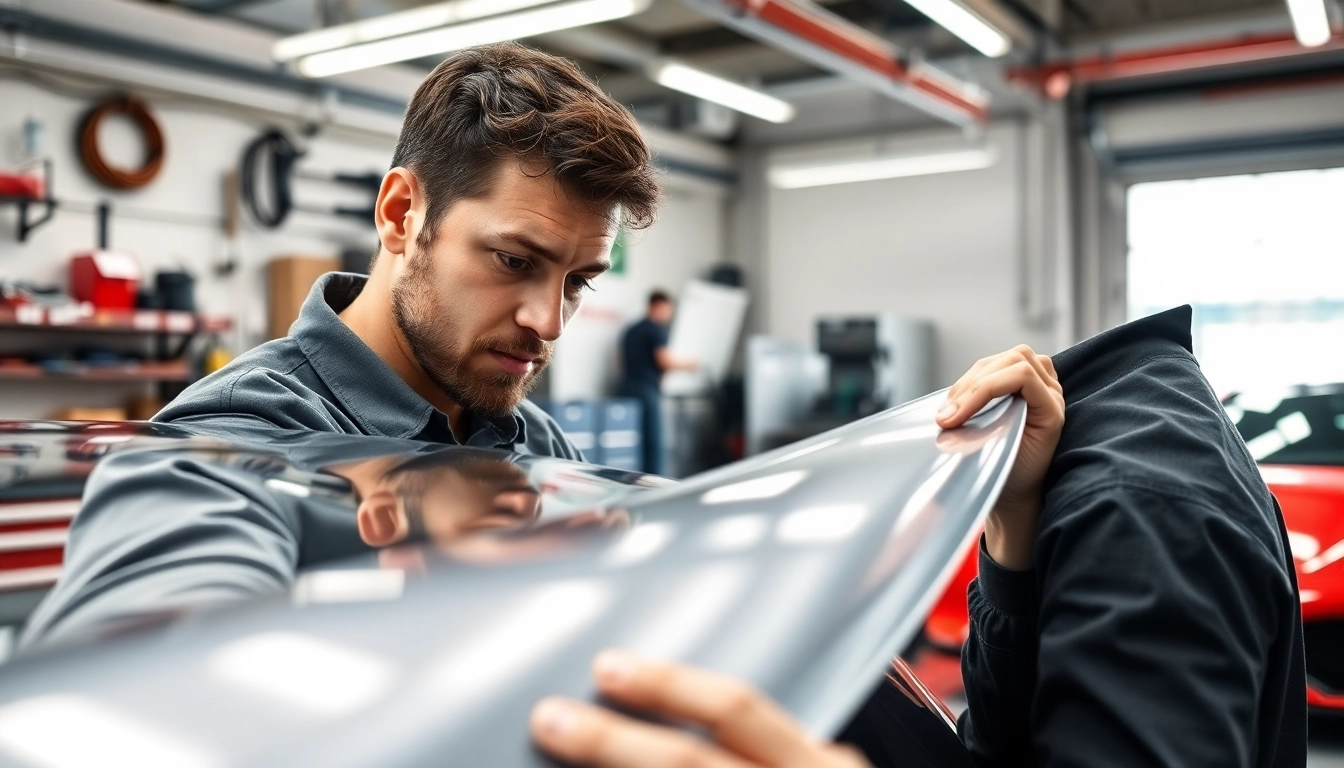
Installing paint protection film requires meticulous attention to detail. Here is a basic overview of the installation process:
- Surface Preparation: The vehicle surface must be thoroughly cleaned and decontaminated to ensure proper adhesion of the film.
- Tailoring the Film: The protective film should be cut to fit specific areas of the vehicle, whether it’s the whole body, just the hood, or high-impact zones like the front bumper.
- Application: Begin applying the film from one edge, utilizing a slip solution to aid in positioning the film and to prevent bubbles. Smooth the film onto the surface while removing air and moisture.
- Post-Installation Treatment: Once the film is applied, a heat gun may be used to seal edges and ensure the film adheres firmly to the paint.
- Final Inspection: After installation, the film should be checked for any imperfections or areas needing adjustment, ensuring everything meets quality standards.
Preparing Your Vehicle for Installation
Properly preparing your vehicle before installation is crucial for achieving the best results. Follow these preparatory steps:
- Wash Your Vehicle: A thorough wash removes dirt and contaminants that could interfere with adhesion.
- Clay Bar Treatment: Using a clay bar can help lift stubborn contaminants that remain even after washing.
- Decontaminate: A chemical decontamination product can be used to remove any harmful substances on the paint surface, ensuring optimal bonding with the PPF.
- Drying: Ensure that the surface is completely dry before installation, as moisture can lead to poor adhesion and bubbling.
Care and Maintenance After Installation
After applying paint protection film, maintaining it properly ensures its longevity and performance:
- Avoid Washing for 48 Hours: Give the film time to cure by avoiding automatic car washes or heavy cleaning for at least two days post-installation.
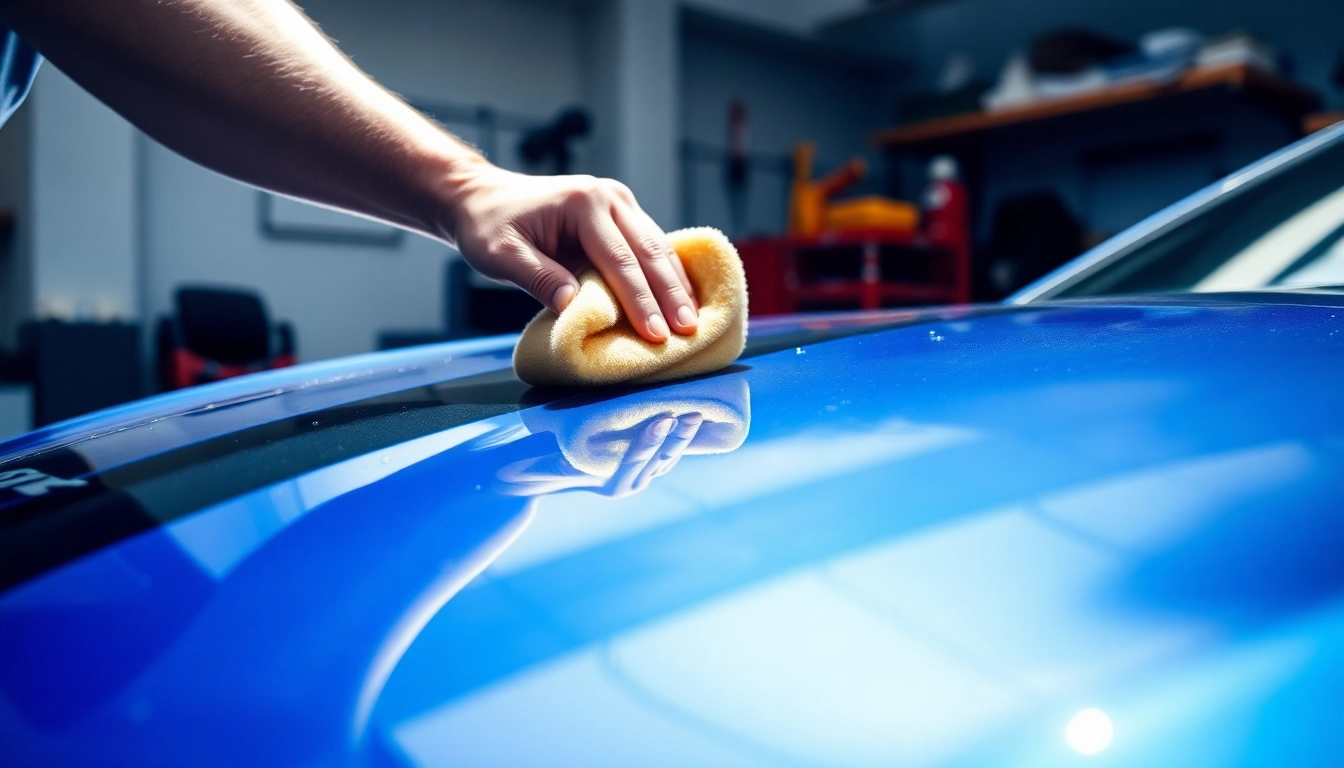
- Use Gentle Cleaning Products: Opt for mild soaps and soft cloths or sponges to avoid scratching the film surface.
- Regular Inspections: Routinely check the edges of the film for any signs of peeling or damage to address issues early.
- Remove Contaminants Promptly: Bird droppings, tree sap, and other hard-to-remove substances should be cleaned off as soon as possible to prevent etching into the film.
Performance and Longevity of Paint Protection Film
How Long Does Paint Protection Film Last?
The longevity of paint protection film can vary based on several factors, including the quality of the film, environmental conditions, and maintenance practices. Generally, high-quality PPF can last anywhere from five to ten years when properly installed and maintained. Factors such as exposure to harsh sunlight, road conditions, and frequency of washes can influence the durability of the film. Regular inspections and care can extend its lifespan, ensuring ongoing protection for your vehicle.
Signs of Wear and Tear
While paint protection film is designed to be durable, it can show signs of wear over time. Common indicators include:
- Discoloration: UV exposure can lead to yellowing of the film, which may indicate a need for replacement.
- Cracking or Tears: Physical damage may manifest as visible cracks or tears in the PPF, reducing its effectiveness.
- Delayed Self-Healing: If the self-healing properties are not responding after heat exposure, the film may be approaching the end of its life.
- Peeling Edges: Inspect edges for any signs of lifting or peeling, as these can lead to moisture buildup between the film and paint.
When to Replace Paint Protection Film
Identifying the right time to replace paint protection film is crucial for maintaining vehicle aesthetics. Here are situations to consider for replacement:
- Severe Damage: If the film has extensive damage, such as large tears or deep scratches, replacing it is advisable.
- Fading or Discoloration: If the film has significantly yellowed or lost its clarity, replacement may be necessary to maintain the appearance of your vehicle.
- Encapsulation: When the film begins to hold dirt or moisture beneath, creating a bubble effect, it might be time for a new application.
- On New Paint: If you repaint your vehicle, installing new paint protection film is essential to ensure that the new finish is adequately protected.
Frequently Asked Questions
What is the cost of paint protection film?
The cost varies depending on the vehicle size and film quality, typically ranging from $500 to $2,500.
Can I install paint protection film myself?
While DIY installation is possible, professional installation ensures a perfect fit and durability, minimizing future issues.
How does paint protection film affect my car's appearance?
When applied correctly, paint protection film enhances the gloss and shine without altering the vehicle's original color.
Is paint protection film worth the investment?
Yes, it protects against scratches, chips, and other wear, preserving your car's aesthetic and resale value over time.
How do I clean and maintain paint protection film?
Use gentle soap and water along with a soft cloth. Avoid harsh chemicals to maintain the film’s integrity and visual appeal.