
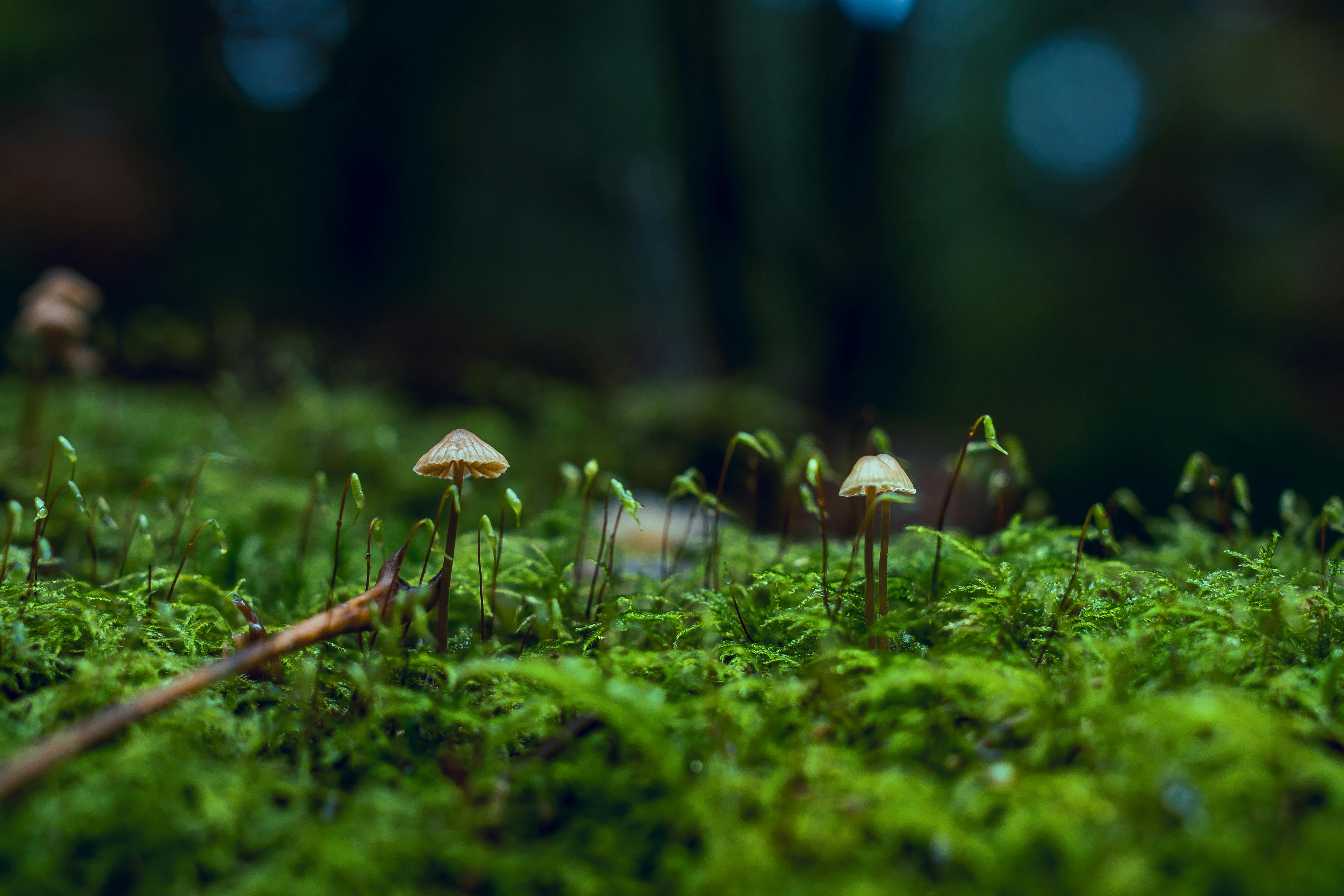
INTRODUCTION TO MUSHROOMSMushrooms are a diverse and fascinating group of fungi that play an important role in both cooking and nutrition. Foraging or purchasing Mushrooms requires knowledge and care, as some varieties are edible while others are toxic. Learning how to identify Mushrooms safely ensures that you can enjoy their flavor and texture without risk. This guide will help beginners recognize common edible Mushrooms and understand essential safety practices.
COMMON EDIBLE MUSHROOMSSeveral Mushroom varieties are widely used in kitchens around the world. Button Mushrooms are mild and versatile, suitable for salads, soups, and sautés. Cremini Mushrooms, also known as baby portobello, have a deeper flavor and firmer texture. Shiitake Mushrooms offer an earthy, smoky taste, making them ideal for stir-fries and sauces. Oyster Mushrooms are tender with a delicate flavor, often used in Asian dishes. Portobello Mushrooms are meaty and perfect for grilling or roasting. Familiarity with these Mushrooms provides a solid foundation for safe consumption.
SAFETY TIPS FOR IDENTIFYING MUSHROOMSWhen identifying Mushrooms, several key characteristics should be observed. Look at the cap shape, color, and texture, as well as the gills underneath. The stem and spore print can also help distinguish edible Mushrooms from poisonous varieties. Avoid Mushrooms with bright colors, unpleasant odors, or unusual shapes if you are uncertain. Consulting field guides, using reputable online resources, or learning from experienced foragers enhances safety. Remember that proper identification is crucial, as even a small mistake can be dangerous.
THE IMPORTANCE OF FORAGING KNOWLEDGEForaging Mushrooms is an enjoyable and rewarding activity, but it requires careful preparation. Understanding seasonal patterns and local ecosystems helps identify when and where Mushrooms grow. Keep in mind that some edible Mushrooms have toxic look-alikes. For example, false morels can resemble true morels but are poisonous. Always cross-check multiple identification features and never consume Mushrooms unless you are completely confident in their safety.
COOKING EDIBLE MUSHROOMSOnce safely identified, Mushrooms can be incorporated into a wide variety of dishes. Sautéing, roasting, and grilling are popular techniques that bring out the flavor and texture of Mushrooms. Combining Mushrooms with herbs, garlic, or butter enhances their natural umami taste. Proper cleaning is essential; gently brush off dirt rather than soaking Mushrooms in water, which can affect texture. Cooking Mushrooms thoroughly is also recommended to maximize both flavor and digestibility.
COMMON MISTAKES TO AVOIDBeginners often make mistakes when handling Mushrooms, such as assuming all wild Mushrooms are safe or confusing edible and toxic species. Overcooking Mushrooms can make them rubbery, while undercooking some types can reduce digestibility. Additionally, some people may be allergic to certain Mushrooms, so introducing new varieties gradually is wise. Awareness and care help ensure that Mushrooms remain a safe and delicious addition to meals.
RESOURCES FOR LEARNING ABOUT MUSHROOMSBooks, field guides, and online communities provide valuable information about Mushrooms. Many culinary schools also offer workshops on identifying and cooking Mushrooms safely. Joining foraging groups or attending guided Mushroom walks allows beginners to learn firsthand from experts. Consistently applying knowledge and practicing caution ensures that Mushrooms are enjoyed safely and confidently.
CONCLUSIONIdentifying Mushrooms safely is essential for both culinary enjoyment and personal safety. By learning about common edible Mushrooms, observing key identification features, and following proper foraging practices, you can confidently incorporate Mushrooms into your diet. Mushrooms offer a unique combination of flavor, texture, and nutritional benefits, making them a valuable addition to both home kitchens and gourmet cooking.