The Importance of a Well-Structured Steel Fabrication Shop
In today's competitive manufacturing landscape, efficiency and quality are paramount. One way to enhance operational success is through a well-structured steel fabrication shop. A well-designed facility not only optimizes workflow but also promotes safety and productivity while minimizing waste. In this section, we will explore the significance of establishing a structured steel fabrication workshop, diving into the essential processes, components, and challenges faced within this industry.
Understanding Steel Fabrication Processes
Steel fabrication is a multi-step process involving several critical phases: design, cutting, shaping, assembling, and finishing. Understanding these processes is essential for anyone involved in the steel fabrication industry.
- Design: This initial phase typically utilizes CAD (Computer-Aided Design) software to create detailed schematics and blueprints, ensuring that every specification is met before the actual fabrication begins.
- Cutting: Various techniques, such as laser cutting, plasma cutting, or waterjet cutting, are employed to create the desired shapes and dimensions from steel sheets and plates.
- Shaping: After cutting, steel components undergo various shaping processes, including bending and forming, to achieve the necessary structural integrity.
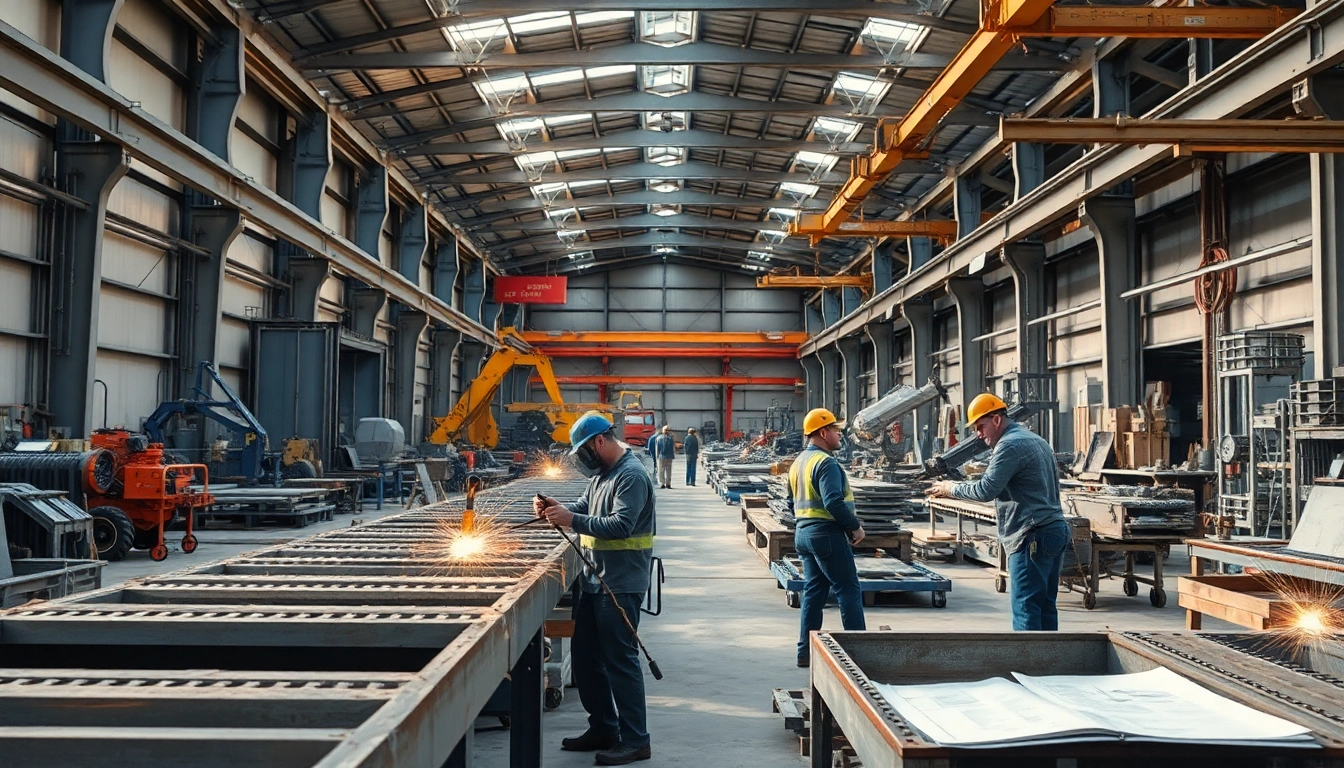
- Assembling: This phase involves joining multiple steel parts using welding and bolting techniques, ultimately creating the final product.
- Finishing: The final touches, such as painting or galvanizing, protect the steel from environmental corrosion and enhance its aesthetic appeal.
Key Components of a Successful Fabrication Shop
Having a well-organized shop layout and a clearly defined workflow is crucial for success in steel fabrication. Key components include:
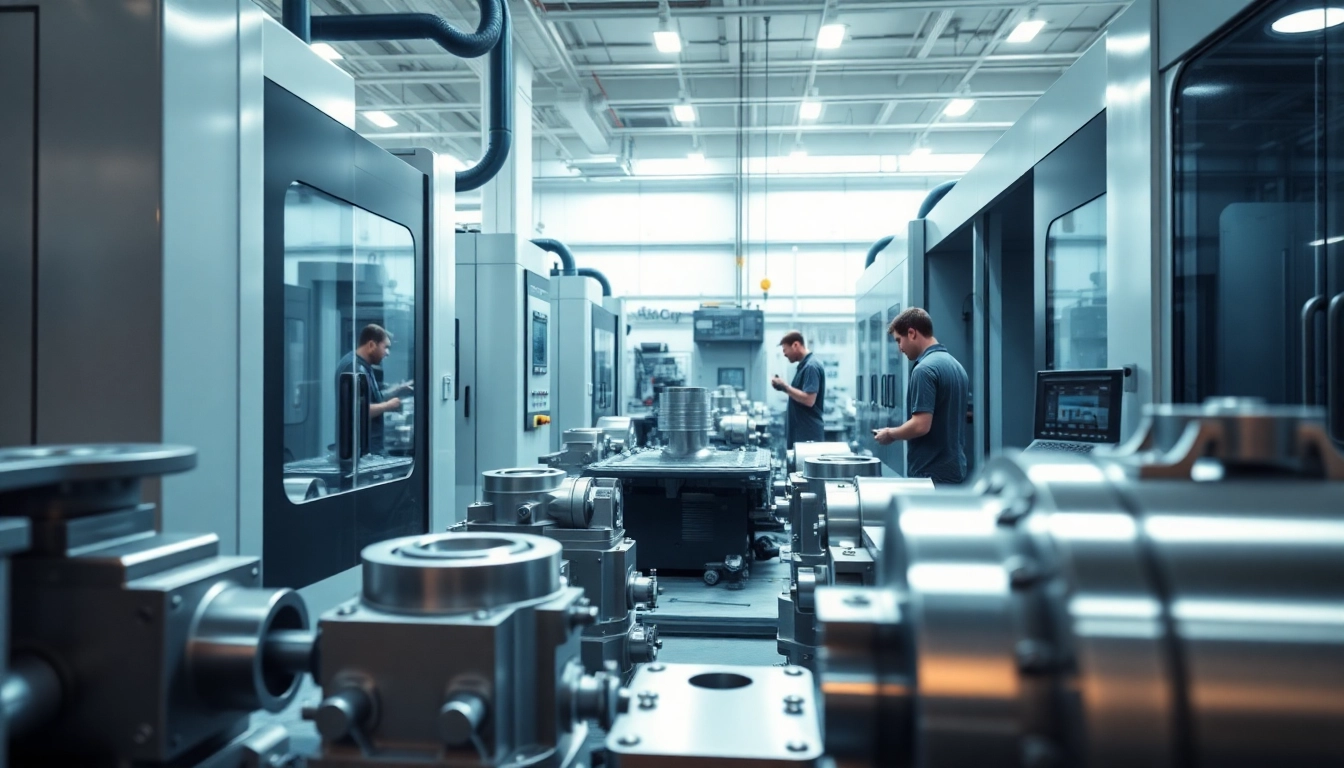
- Equipment: Investing in advanced machinery is essential to ensure precision and efficiency. CNC machines, robotic welders, and plasma cutters are among the best technologies available.
- Workforce: Skilled labor is the backbone of a fabrication shop. Employing experienced fabricators who are well-trained in the latest technologies contributes significantly to the overall productivity.
- Quality Control: Implementing strict quality control measures guarantees that every product meets industry standards and client specifications. This includes inspections throughout the fabrication process.
- Inventory Management: Efficient management of raw materials and finished products can reduce waste and enhance operational flow, ensuring that resources are available when needed.
Common Challenges in Steel Fabrication
Despite careful planning and execution, steel fabrication shops often face several challenges:
- Supply Chain Issues: Fluctuations in the availability of raw materials can lead to delays and increased costs.
- Labor Shortages: Skilled labor shortages are a common issue in the industry, making it difficult to find qualified personnel.
- Market Competition: The fabrication industry is highly competitive, requiring continual improvements and adaptations.
- Technology Adoption: Keeping pace with technological advancements can be daunting, yet it is necessary for staying competitive.
Optimizing Workflow in Your Steel Fabrication Shop
Optimizing workflow is essential to maximize efficiency and productivity in a steel fabrication shop. This section discusses various strategies that can be implemented to streamline operations.
Lean Manufacturing Principles
Implementing lean manufacturing principles can significantly enhance productivity. Key techniques include:
- Value Stream Mapping: Visualizing every step in the manufacturing process helps identify bottlenecks and inefficiencies.
- Just-in-Time Production: Reducing excess inventory by aligning production closely with demand can minimize waste.
- Continuous Improvement: Encouraging a culture of constant evaluation allows for ongoing refinement of processes and practices.
Modern Tools and Technologies
The incorporation of advanced technologies can revolutionize steel fabrication operations. Examples include:
- CNC Machines: These machines provide precision and repeatability in cutting and shaping steel components.
- Robotics and Automation: The implementation of robotic welders and automated systems increases speed and reduces human error.
- Software Solutions: Enhanced project management tools and manufacturing software facilitate better planning and resource allocation.
Implementing Best Practices for Efficiency
To achieve optimal efficiency, fabrication shops should employ best practices such as:
- Regular Maintenance: Keeping equipment in excellent working condition is critical for minimizing downtime.
- Effective Communication: Ensuring clear communication among team members can improve coordination and reduce errors.
- Employee Training: Providing ongoing training to employees on the latest techniques and technologies reinforces a skilled workforce.
Skills and Training for Steel Fabrication Professionals
For a steel fabrication shop to function at peak efficiency, it is crucial to prioritize the skills and training of its workforce. This section explores essential skills, training programs, and the importance of continuous improvement.
Essential Skills in Steel Fabrication
Successful fabricators must possess a variety of skills, including:
- Technical Skills: Comprehensive understanding of fabrication processes, tools, and materials is essential.
- Problem-Solving Abilities: The ability to troubleshoot issues effectively during production can save time and materials.
- Attention to Detail: Precision is crucial in fabrication; even minor inaccuracies can lead to significant issues.
Training Programs and Certifications
Numerous training programs and certifications are available for individuals seeking to enhance their skills in steel fabrication. Notable programs include:
- Welding Certifications: Industry-recognized certifications can enhance a fabricator's credibility and marketability.
- Technical Workshops: Short courses and workshops that focus on specific skills, like CNC operation or robotics, can be invaluable.
- Apprenticeships: Hands-on experience provided by apprenticeship programs can significantly improve practical skills.
Continuous Learning and Improvement
The manufacturing and fabrication industry is constantly evolving. Therefore, professionals should actively engage in continuous learning through:
- Industry Conferences: Networking and learning from experts can provide insights into the latest trends and technologies.
- Online Courses: Utilizing platforms offering courses on emerging technologies can instantly upskill employees.
- Mentorship Programs: Connecting newly skilled workers with experienced professionals fosters a culture of learning.
Safety Protocols in Steel Fabrication Shops
Ensuring safety in steel fabrication is non-negotiable. Comprehensive safety protocols not only protect employees but also safeguard the integrity of the production process. This section focuses on recognizing hazards and implementing effective safety strategies.
Understanding Workplace Hazards
Identifying potential hazards in a fabrication shop is the first step toward creating a safe environment. Common hazards include:
- Physical Hazards: Sharp edges, heavy machinery, and flying debris are common in fabrication environments.
- Chemical Hazards: Exposure to solvents, welding fumes, and metallic dust may pose health risks.
- Ergonomic Hazards: Poorly designed workspaces can lead to strain injuries among staff.
Implementing Safety Measures
Once hazards are identified, implementing stringent safety measures is essential:
- Personal Protective Equipment (PPE): Ensuring employees have the right PPE, such as gloves, helmets, and goggles, can mitigate injury risks.
- Regular Safety Training: Frequent workshops and safety drills can reinforce safety protocols among employees.
- Machinery Maintenance and Safety Checks: Regular inspections of equipment and machinery ensure they are safe for use.
Building a Safety-First Culture
A work culture that prioritizes safety contributes to an overall positive environment. Practices to foster this culture include:
- Open Communication: Encouraging workers to voice safety concerns can lead to proactive solutions.
- Incentive Programs: Providing rewards for safe behavior promotes diligence among employees.
- Management Engagement: When management actively participates in safety practices, it emphasizes the importance of safety to all team members.
Measuring Success in Your Steel Fabrication Shop
A successful steel fabrication shop should consistently evaluate its performance. This section outlines the key performance indicators (KPIs) that provide insight into operational efficiency and success.
Key Performance Indicators (KPIs)
KPIs are essential for measuring the health and performance of a fabrication shop. Some key metrics include:
- Production Efficiency: Tracking how much product is created in relation to the resources consumed helps measure overall efficiency.
- Quality Rate: Monitoring the percentage of products meeting quality standards helps gauge effectiveness.
- Lead Time: Measuring the time taken from order to delivery can indicate workflow predictability.
Evaluating Operational Efficiency
To assess efficiency, consider implementing performance evaluations through:
- Regular Audits: Conducting audits helps identify inefficiencies and areas for potential improvement.
- Employee Feedback: Gathering insights from team members on workflow and processes can highlight obstacles hindered by operations.
- Software Analytics: Utilizing analytical tools can provide real-time data on shop performance and areas requiring attention.
Case Studies of Successful Shops
Analyzing the successes of other fabrication shops can provide valuable insights and best practices. For example:
- ABC Fabricators: This shop implemented robotic welding systems, resulting in a 30% reduction in labor costs and improved production efficiency.
- XYZ Engineering: By adopting lean manufacturing principles and continuous training programs, XYZ reduced waste by 25% and increased employee satisfaction.