Understanding Structural Steel Construction
Structural steel construction is a critical pillar of modern engineering and architecture, playing an essential role in creating robust, durable structures. This construction method utilizes steel products characterized by specific physical properties and chemical compositions, particularly carbon content. To be classified as structural steel, the materials employed must adhere to established standards, ensuring safety and performance in construction projects across the globe. The importance of structural steel construction cannot be overstated, as it underpins the frameworks of bridges, buildings, and a variety of infrastructure projects.
Definition and Importance
Structural steel refers to steel products designed specifically to support loads in construction applications. Commonly employed in various forms, such as beams, columns, and plates, structural steel provides the backbone necessary for resilient buildings. Its significance ranges from enhancing safety to reducing overall construction time. With the ability to withstand significant weight loads and extreme environmental conditions, structural steel construction is paramount in urban development and infrastructure improvement initiatives.
Types of Structural Steel
There are numerous types of structural steel, each with distinct properties and applications. The most commonly used types include:
- I-beams: Known for their efficiency in load-bearing, I-beams are integral for constructing tall buildings and long bridges.
- H-beams: Similar to I-beams but with wider flanges, H-beams are utilized for heavy and complex structures.
- Channels: These open sections are effective for frames and bracing, often serving secondary structural roles.
- Steel plates: Used for flooring, walls, and other structural components requiring significant strength and durability.
Benefits of Structural Steel Construction
The advantages of using structural steel in construction projects are numerous:
- Durability: Structural steel is highly resistant to fatigue, rust, and impact damage.
- Versatility: It can be molded into various shapes and sizes to fit specific design needs.
- Cost-effectiveness: Reduced labor costs can be realized due to quicker assembly.
- Eco-friendliness: Steel is recyclable, promoting sustainable building practices.
Key Components of Structural Steel Construction
Structural Shapes and Their Uses
Understanding the various structural shapes and their applications is fundamental in structural steel construction. Each shape fulfills a unique role based on the load and stress it will encounter:
- T-sections: Commonly used for bracing and structural supports.
- Angle sections: Ideal for frames and reinforcements, providing excellent compressive and tensile strength.
- Box sections: Useful for both aesthetic and structural applications due to their enclosed design.
Connection Methods in Structures
The strength and stability of structural steel frameworks rely heavily on effective connection methods. Common connection types include:
- Welded connections: Provide continuous connections that enhance structural integrity.
- Bolted connections: Allow for ease of erection and disassembly, ideal for temporary structures.
- Riveted connections: Historically significant, these are less common today but still used in specific projects for their aesthetic and historical value.
Material Specifications and Standards
To ensure the safety and efficacy of structural steel, adherence to material specifications is crucial. Key standards include:
- ASTM (American Society for Testing and Materials): Sets the quality control benchmarks for structural steel.
- AISC (American Institute of Steel Construction): Provides guidelines for design and construction in line with industry best practices.
Design Principles for Structural Steel Construction
Load Calculations and Structural Analysis
Proper load calculations form the foundation of structural design, determining how a building will perform under various conditions. Structural engineers employ advanced analysis methods, often using software tools, to predict the behavior of steel frameworks. Factors like live loads, dead loads, and environmental impacts (wind, earthquakes, etc.) are all essential considerations.
Steel Frame Design Considerations
In designing steel frames, several aspects must be considered, including:
- Material selection: Choosing appropriate grades of steel based on strength requirements.
- Member sizing: Ensuring that all components are adequately sized to handle expected loads.
- Bracing arrangements: Utilizing bracing to prevent lateral movement and enhance stability.
Architectural Integration of Steel
Integrating structural steel into architectural design can offer unique aesthetic options. Steel's flexibility allows for innovative designs that can enhance visual appeal without compromising strength. Architects must collaborate closely with structural engineers during the design phase to optimize both functionality and aesthetics.
Construction Process of Structural Steel Skeletons
Pre-fabrication Techniques
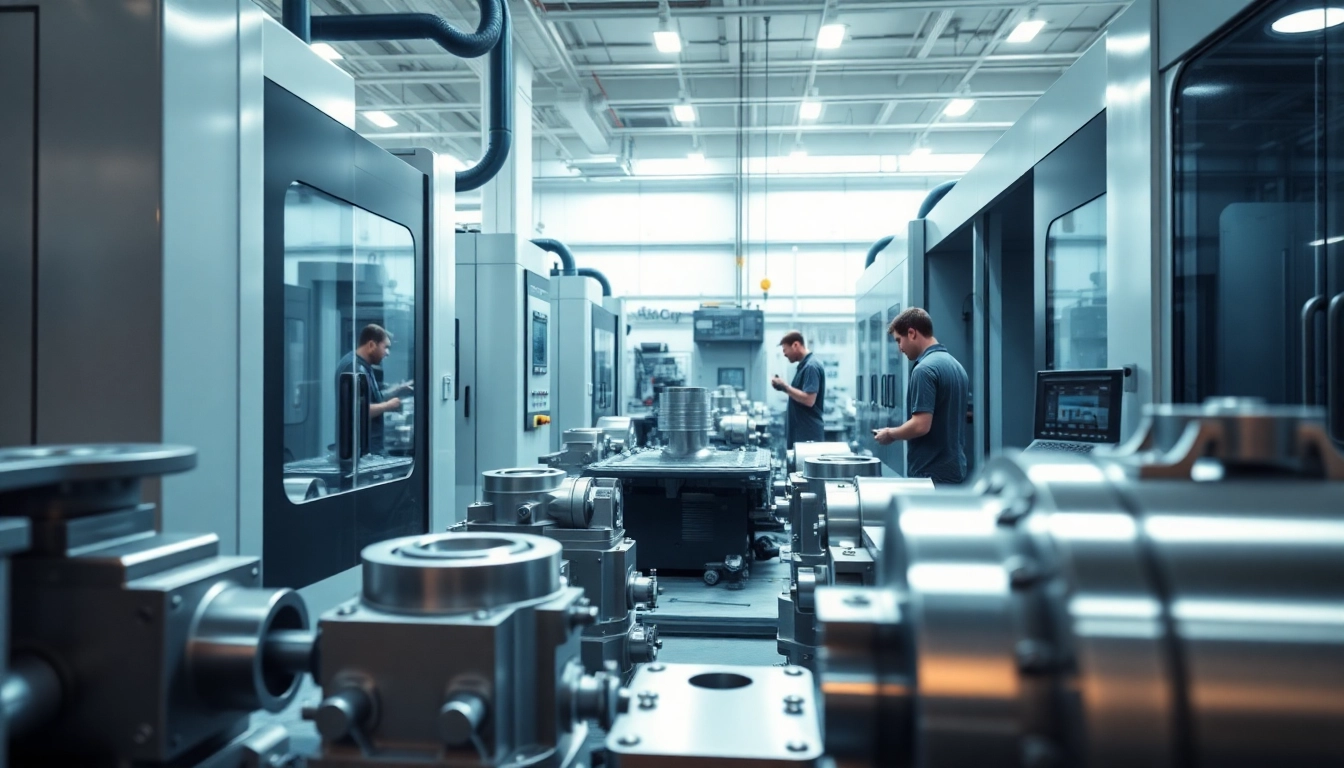
Prefabrication is a popular method in structural steel construction, significantly speeding up the process. Components are pre-manufactured in a factory setting, allowing for rigorous quality control and reducing on-site labor needs. This technique enhances safety and minimizes waste.
On-Site Assembly and Erection
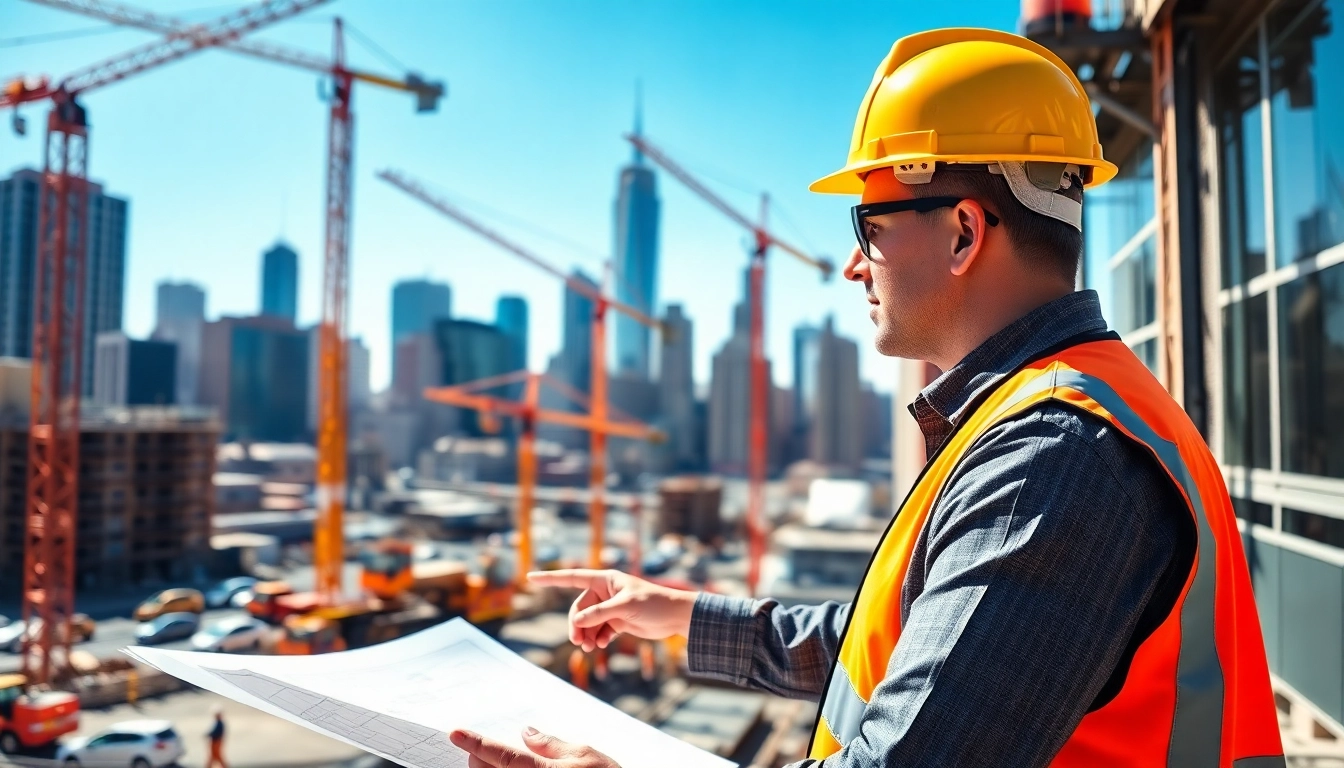
The on-site erection of steel structures involves precise planning and coordination. Equipment such as cranes is typically employed to lift and position steel components into place. During this phase, workers must adhere to strict safety protocols to mitigate risks and ensure structural integrity.
Safety Protocols in the Construction Process
Safety is paramount in structural steel construction. Key safety measures include:
- Personal Protective Equipment (PPE): Ensuring all workers wear appropriate gear, such as helmets and harnesses.
- Fall protection systems: Utilizing guardrails and harnesses to prevent falls during erection.
- Regular training: Providing comprehensive safety training sessions for all personnel involved in steel construction.
Future Trends in Structural Steel Construction
Innovations in Steel Technology
The structural steel industry is continuously evolving, with innovations such as smart steel technology and advanced coatings enhancing performance and longevity. These developments focus on improving corrosion resistance and reducing maintenance costs, which can greatly benefit construction projects.
Sustainable Practices in Steel Construction
As sustainability becomes a priority across industries, structural steel construction is adapting through practices such as recycling and utilizing eco-friendly materials. By minimizing waste and reducing energy consumption during production and assembly, the industry is moving towards more sustainable building practices.
Market Trends and Demand Forecast
The demand for structural steel is projected to grow in the coming years, driven by urbanization, infrastructural development, and a focus on green building practices. Industry experts predict that advancements in construction technology and increased investments in public infrastructure will further boost this trend.
FAQs
What is structural steel construction?
Structural steel construction utilizes carbon-based steel products for building robust frameworks meeting ASTM standards.
How long does structural steel last?
Properly maintained structural steel can last over 50-100 years, depending on environmental factors and maintenance routines.
What differentiates structural steel from regular steel?
Structural steel is specifically designed for load-bearing, while regular steel may be used for non-load-bearing applications.
What roles do structural steel workers perform?
Steel workers cut, shape, and assemble components using specialized equipment to create durable structures.
What are the main types of structural steel?
Common types include I-beams, H-beams, and channels, each suited for specific structural functions in buildings.