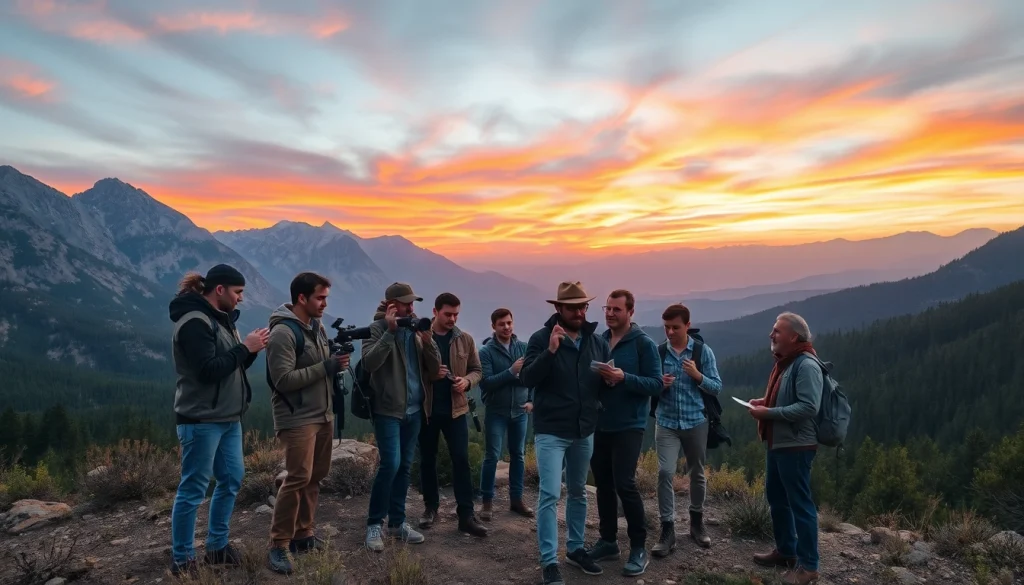
Understanding Location Scouting
What is Location Scouting?
Location scouting is the process of searching for and selecting appropriate locations for filming scenes in movies, commercials, and photographic shoots. It is a critical step in the pre-production phase that significantly influences the final outcome of a project. A successful location can enhance storytelling, contribute to aesthetic value, and create an authentic atmosphere that resonates with the audience.
By carefully assessing various factors—such as the visual appeal of a site, its accessibility, and the logistical requirements of shooting—creators ensure that every frame conveys the desired narrative. Proper location scouting can turn ordinary scenes into captivating visuals that leave a lasting impact.
The Role of a Location Scout
A location scout plays an essential role in the filmmaking process. These professionals are tasked with visiting various potential filming sites, assessing their suitability for specific scenes, and negotiating with property owners or managers for access. They collaborate closely with directors, producers, and cinematographers to ensure that the locations align with the creative vision of the project.
Through their expertise, location scouts bring a wealth of knowledge about local customs, regulations, and available resources, which can be instrumental in avoiding common pitfalls. Their ability to adapt and respond to changing project needs is critical for maintaining production schedules and budgets.
Importance of Location Scouting in Filmmaking
The role of location scouting in filmmaking cannot be overstated. The chosen setting can dramatically alter the way a story is perceived and experienced. A compelling location enhances authenticity, while a poorly chosen site can detract from the narrative. For instance, a romantic scene filmed in a picturesque garden creates a different emotional resonance than the same scene shot in a bleak industrial area.
Moreover, location scouting allows filmmakers to utilize natural light and environmental elements, such as weather, landscape, and architecture, to their advantage, enriching the visual storytelling. Ultimately, effective location scouting serves as the foundation upon which successful film productions are built.
Planning for Successful Location Scouting
Key Considerations for Location Scouting
Before embarking on a location scouting journey, several key considerations must be examined to ensure the success of the endeavor:
- Script Requirements: Analyzing the script is essential. Understanding the story, themes, and character arcs helps to pinpoint locations that enhance the narrative.
- Budget Constraints: Filmmakers should evaluate budgets and scout locations within financial constraints, as some venues may require substantial fees or permits.
- Logistics: Consideration of the location’s accessibility, parking, and availability of essential amenities—such as electricity and restrooms—is crucial for a seamless shooting experience.
- Time of Day: The lighting conditions drastically change throughout the day. Understanding natural light patterns and the best times for shooting can influence location choices.
Creating a Location Scouting Checklist
A well-crafted location scouting checklist is a valuable tool in organizing the scouting process. Below are essential components to include:
- Location Details: Document the address and contact information of location owners or managers.
- Visual and Technical Information: Take detailed notes on the aesthetic appeal of the location, including background options, structures, and any obstacles.
- Logistical Aspects: Note down logistical considerations, such as parking availability, nearby amenities, and any restrictions that may apply.
- Potential Challenges: Identify potential issues such as noise pollution or environmental hazards that could affect filming.
Establishing Contact with Location Owners
Once viable locations have been identified, the next step is to establish communication with property owners. Building a rapport with location owners can lead to gaining access to exclusive sites and negotiating favorable filming agreements. It is advisable to:
- Present a Professional Image: Approaching property owners with professionalism leaves a positive impression. Creating a concise, compelling pitch about the project can enhance credibility.
- Communicate Clearly: Clearly articulate the needs of the production, including filming dates, equipment usage, and special requirements.
- Discuss Compensation: Be transparent about budgets and establish reasonable compensation that acknowledges the value of access to their property.
Techniques for Effective Location Scouting
Using Technology for Scouting
Incorporating technology can significantly streamline the location scouting process. There are several tools and applications that help scouts find and assess potential filming locations effectively:
- Mapping Apps: Use GPS mapping tools to identify locations with ease, obtaining maximum route efficiency during site visits.
- Aerial Drones: Drones provide an aerial view of locations, allowing scouts to evaluate the layout and surroundings without physically visiting every site.
- Augmented Reality (AR) Tools: AR applications can create visualizations of how scenes may look in different locations, helping teams visualize their options.
Photographic Techniques for Assessment
Effective photographic techniques are integral to evaluating potential filming locations. Here are some strategies scouts can employ:
- Lighting Conditions: Take photographs at different times of day to assess how natural light interacts with the site, helping to choose the optimal shooting time.
- Detailed Capture: Focus on capturing specific elements such as texture, colors, and perspectives. This insight can aid cinematographers in planning shots.
- Contextual Photos: Take wide shots to give context to the location as well as close-ups that showcase specific features of interest.
Time Management During Scouting Visits
Efficient time management is essential during scouting visits to maximize productivity. Here are a few essential tips to consider:
- Prepare an Itinerary: Plan an itinerary detailing all locations to be scouted and allocate specific time slots for each visit.
- Prioritize Locations: Identify priority locations that align with the project’s narrative, and start scouting these first.
- Follow Up: Keep a running list of notes and follow-up actions for each location, ensuring no potential opportunities are overlooked.
Challenges in Location Scouting
Overcoming Common Obstacles
While location scouting is an exciting venture, it comes with various hurdles that scouts must navigate skillfully. Below are common obstacles and strategies to overcome them:
- Permitting Issues: Ensure all necessary permissions are obtained in advance to avoid disruptions. Engaging local authorities can facilitate smooth operations.
- Inaccessibility: Some locations may not be accessible or may have restrictions. Have backup locations ready to ensure production continuity.
- Communication Barriers: Language barriers can complicate discussions with property owners. Utilize translation services when necessary to clarify points effectively.
Weather and Seasonal Considerations
Weather conditions can be unpredictable, impacting shooting schedules and location suitability. Here are ways to prepare for these challenges:
- Monitor Weather Patterns: Utilize reliable weather forecasting apps to stay updated on upcoming conditions that may affect filming.
- Seasonal Planning: Understand how seasonal changes may transform a location. Capturing the same area in different seasons can provide unique perspectives.
- Adaptive Scheduling: Have contingency plans in place to shift to alternative dates or locations if necessary due to unfavorable weather.
Cultural and Legal Restrictions
Each location may have its unique cultural practices and legal requirements that must be respected. Prior research can aid in adhering to these regulations:
- Research Local Norms: Understanding local customs and traditions can prevent cultural insensitivity and promote good relationships with the community.
- Legal Consultations: Consulting legal experts regarding permits, rights to shoot in public spaces, and other requirements ensures compliance with local laws.
- Community Engagement: Engaging with local residents can foster goodwill and support, providing an additional layer of security during a production.
Finalizing Your Location Choices
Evaluating Potential Locations
After completing scouting visits, the evaluation of potential filming sites becomes paramount. Filmmakers should consider multiple factors, including:
- Creative Fit: Analyze how well each location aligns with the story, ensuring that it complements the mood and themes presented in the script.
- Technical Feasibility: Evaluate whether the necessary technology, such as lighting rigs or sound equipment, can be effectively used in the chosen locations.
- Communicative Feedback: Gather feedback from team members involved in the production to assess diverse perspectives on the locations.
Negotiating Location Agreements
Once potential locations are selected, negotiating agreements with the property owners is the next step. Here are vital pointers for successful negotiations:
- Create a Clear Proposal: Outline your proposal clearly, detailing the intended use of the space, duration, and any financial considerations.
- Establish Trust: Build trust with property owners by being transparent and professional throughout the negotiations.
- Finalize Contracts: Ensure legal contracts are in place to protect all parties involved, specifying terms, responsibilities, and conditions for the shoot.
Documenting Your Findings
Documenting the findings from your location scouting expeditions is crucial for reference during production. Essential documentation practices include:
- Comprehensive Notes: Maintain detailed notes on each location, including photographs, contact information, and logistical considerations.
- Feedback Loop: Construct a feedback loop where insights gathered from crew members are integrated into final selections.
- Organized Storage: Store all documentation in an organized manner, making it easily accessible for future productions or reference.