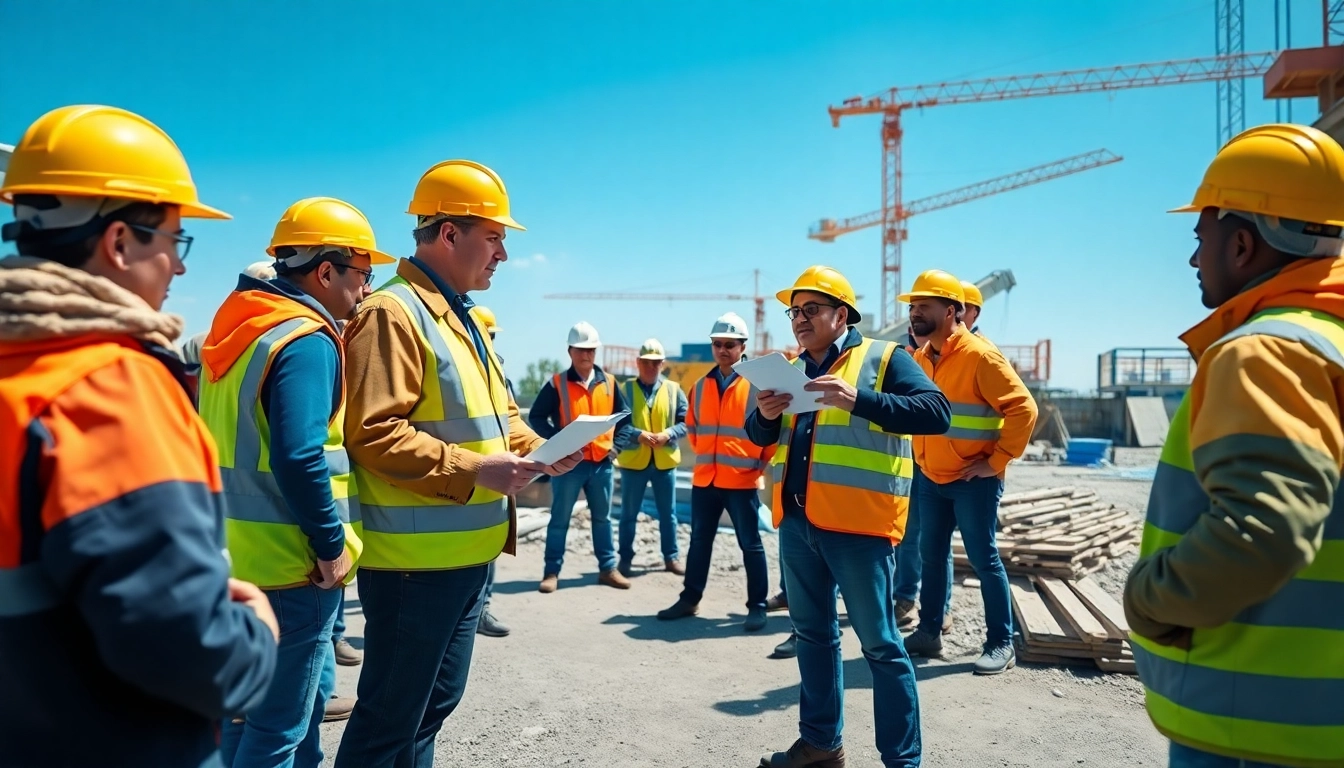
Understanding the Importance of Construction Safety Training
Construction sites are inherently dangerous environments where workers are regularly exposed to numerous risks. Statistics show that construction accidents can lead to significant injuries or even fatalities. As such, construction safety training has become a crucial aspect of the construction industry, empowering workers with the knowledge and skills they need to navigate these hazards. This comprehensive guide explores the importance of safety training, effective training methods, regulatory standards, fostering a safety culture, and measuring the impacts of such training programs.
Defining Construction Safety Training
Construction safety training is a formal program aimed at educating and preparing workers to identify and mitigate the risks associated with construction work. This training covers various aspects, including hazard recognition, safe work practices, personal protective equipment (PPE) usage, emergency response, and first aid. Tailored to fit specific job roles and environments, construction safety training can encompass both theoretical sessions and practical demonstrations on the job site.
Why Safety Training is Essential for Workers
Safety training is not merely a regulatory obligation; it is essential for multiple reasons. First and foremost, it significantly reduces the risk of accidents and injuries on-site. By educating workers about the potential hazards they may face, they can take preventive measures, ultimately leading to a safer working environment. Additionally, well-trained employees tend to be more confident in executing tasks, which not only boosts morale but also enhances productivity. Furthermore, comprehensive safety training can lead to decreased workers' compensation claims and insurance costs, benefiting both workers and employers alike.
Common Risks in the Construction Industry
The construction industry presents various hazards, some of which include:
- Falls: Being the leading cause of fatalities in construction, falls can occur from ladders, scaffolding, rooftops, or other elevated workspaces.
- Electrocution: Workers face risks from overhead power lines, faulty wiring, and improperly maintained equipment.
- Crush injuries: Heavy machinery and equipment can pose crush hazards, especially when workers are not adequately trained on safe operating procedures.
- Tool-related injuries: Improper use of hand tools, power tools, and machinery can result in severe injuries.
- Respiratory issues: Construction workers may encounter hazardous materials like asbestos or silica dust, which can lead to long-term health problems.
Effective Training Methods for Construction Safety
Interactive Training Techniques
Engaging workers with interactive training techniques can significantly improve retention and application of safety knowledge. Methods such as hands-on simulations, group discussions, and role-playing scenarios allow workers to practice their skills in a safe environment. For example, conducting mock drills for emergency evacuations can help workers become familiar with the protocols and build confidence in their responses during real emergencies.
Utilizing Technology in Safety Training
The integration of technology in safety training has revolutionized the industry. Virtual Reality (VR) and Augmented Reality (AR) simulations can provide immersive learning experiences, exposing workers to real-life scenarios without the associated risks. Additionally, online training platforms can offer flexible learning schedules and track worker progress, making it easier for companies to ensure compliance with training requirements.
Evaluating Training Effectiveness
Evaluating the effectiveness of safety training programs is crucial to ensure they meet their objectives. This can be achieved through assessments and quizzes following training sessions, observing worker behavior on-site, and soliciting feedback from participants. Furthermore, analyzing workplace accident rates before and after training implementation provides insights into the program's impact, highlighting areas for improvement.
Regulatory Standards and Compliance in Safety Training
Understanding OSHA Regulations
The Occupational Safety and Health Administration (OSHA) sets forth regulations regarding safety training across various industries, including construction. Employers are obligated to provide training that is relevant to the hazards workers may encounter. Understanding OSHA regulations not only helps organizations stay compliant but also fosters a culture of safety that prioritizes employee wellbeing.
Industry-Specific Compliance Guidelines
In addition to OSHA, different construction sectors may have specific compliance requirements. For instance, projects funded by the government may adhere to Davis-Bacon Act stipulations concerning wages and safety provisions. Companies should familiarize themselves with applicable regulations to ensure comprehensive training and safety practices.
How to Maintain Training Records
Proper record-keeping of safety training is essential for demonstrating compliance and monitoring worker readiness. Employers should maintain documentation of training sessions, including dates, attendance, training materials used, and evaluation results. This not only satisfies regulatory requirements but also helps identify training gaps that need to be addressed for continuous improvement.
Creating a Safety Culture on the Job Site
Building Team Commitment to Safety
Establishing a culture of safety requires commitment from all team members, including management. Leaders should model safe behaviors and actively participate in safety training. Encouraging open communication about safety concerns fosters trust and empowers workers to speak up about unsafe practices, creating a collaborative effort to prioritize safety on-site.
Communicating Safety Policies Effectively
Clear and concise communication of safety policies is critical in any construction environment. Utilization of visual aids like posters and regular safety meetings can reinforce these policies. Additionally, using safety briefings at the start of each shift serves as a reminder and keeps safety top-of-mind for all workers.
Recognizing and Rewarding Safe Practices
Implementing a recognition program for safe practices can motivate workers to adhere to safety protocols. Whether through awards, bonuses, or public acknowledgment, recognizing individuals or teams for their commitment to safety reinforces the importance of maintaining safe work habits and encourages a proactive approach to safety.
Measuring the Impact of Safety Training
Key Performance Indicators for Safety Training
To gauge the effectiveness of safety training programs, organizations should focus on key performance indicators (KPIs) that reflect safety performance. Metrics such as the number of incidents, near misses, and employee engagement in safety initiatives can provide valuable insights. Regularly reviewing these metrics helps ensure that training programs align with desired safety outcomes.
Conducting Safety Audits and Assessments
Regular safety audits and assessments are vital for identifying potential hazards and evaluating the effectiveness of safety programs. These audits should be systematic and cover all aspects of the worksite, including equipment, training adherence, and employee practices. The results of safety audits can provide critical data to inform necessary adjustments to training and improve workplace safety.
Continuous Improvement in Safety Training
Safety training should never be static; it must evolve to address new risks and incorporate advances in best practices. Organizations should establish a feedback loop where employees can share insights about training effectiveness and real-world applicability. This ongoing evaluation and refinement of safety training programs not only enhances effectiveness but also fosters a culture of continuous improvement.