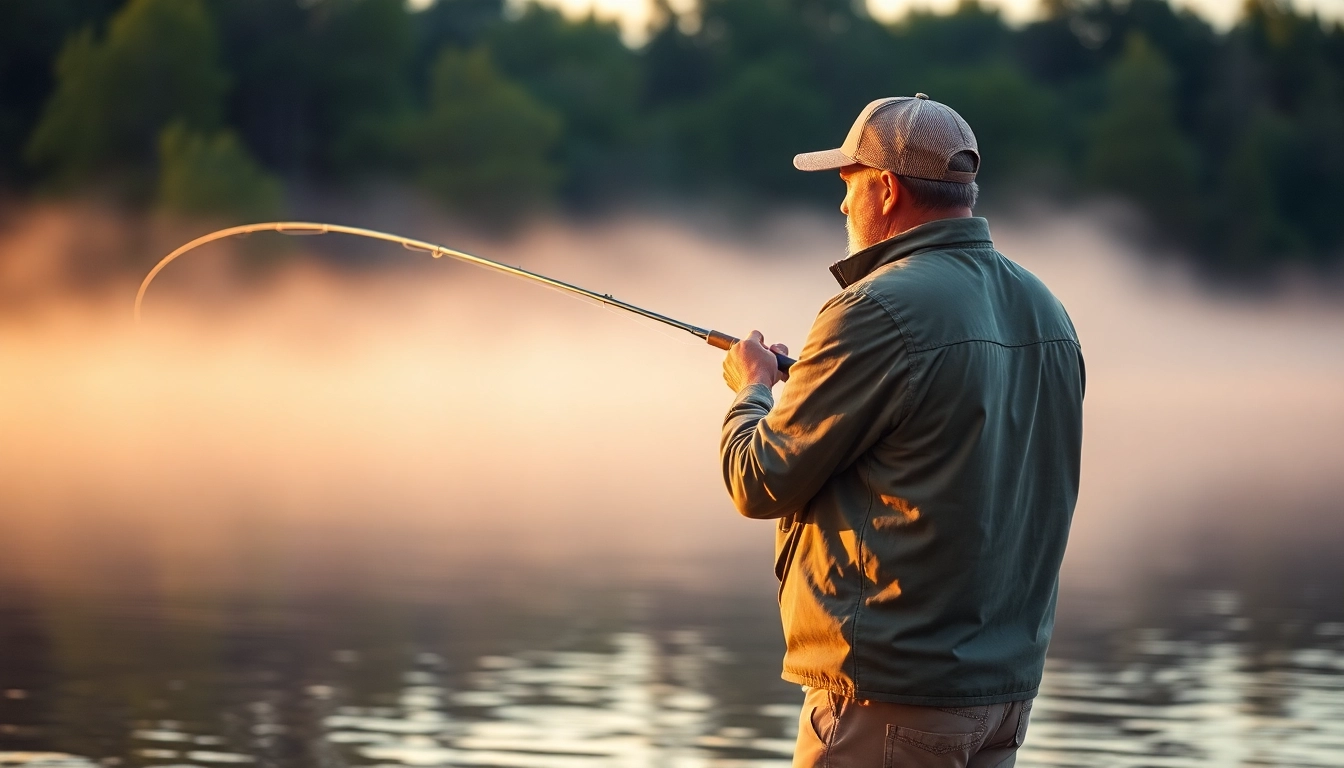
Introduction to Fly Fishing for Bass
Fly fishing for bass offers an exhilarating experience, bringing together technique, nature, and the thrill of the catch. As one of the most sought-after freshwater species, bass are known for their aggressive strikes and spirited fights. This guide will delve deep into the world of bass fly fishing, covering everything from understanding their behavior to choosing the right gear and techniques for a successful outing. Whether you’re a novice or an experienced angler, there’s something here for everyone to improve their skills and enjoy the sport even more. Many anglers are discovering the potential of Fly fishing for bass, blending tradition with modern tactics.
Understanding Bass Behavior
The first step in successfully fly fishing for bass is understanding their behavior. Bass are opportunistic feeders, which means they tend to strike at anything that appears to be a meal. Their diet varies by season and location but generally includes smaller fish, crustaceans, insects, and amphibians. Knowing when and where to find bass can make all the difference.
During warmer months, bass are often found in shallow waters where they can ambush prey. In contrast, when temperatures drop, they move to deeper waters. Additionally, they tend to stay near structures such as submerged logs, rocky ledges, and vegetation, which provide cover and hunting grounds. Observing weather conditions, time of day, and seasonal changes can significantly enhance your chances of a successful outing.
Essential Gear for Fly Fishing for Bass
To be adequately prepared for fly fishing for bass, having the right equipment is essential. This includes selecting appropriate rods, reels, lines, and flies.
- Rods: A 6 to 8 weight rod is ideal for bass fishing, allowing for better casting control and enough backbone to handle larger fish.
- Reels: Opt for a large arbor reel with a solid drag system. This setup allows for quicker line recovery and reduces the risk of losing fish.
- Lines: Floating lines are great for surface lures while sinking lines can help reach deeper water where bass hide.
- Flies: A variety of flies mimicking baitfish, frogs, and insects can prove effective. Popular patterns include Woolly Buggers, Clouser Minnows, and poppers.
Techniques for Successful Fly Fishing for Bass
Once you have gathered the necessary gear, understanding the techniques used in fly fishing for bass is crucial for maximizing your success.
Top Flies for Bass
Selecting the right flies is pivotal to catching bass. The choice often depends on the time of year and local baitfish populations. Here are some top fly patterns to consider:
- Woolly Bugger: This versatile fly can imitate baitfish, leeches, and even crayfish. Vary your fishing speed to trigger strikes at different depths.
- Clouser Minnow: Effective for its streamlined body and realistic appearance, this fly can be used effectively in both deep and shallow waters.
- Popper: Perfect for topwater action, poppers create surface disturbance that attracts active bass, especially during dawn or dusk.
Effective Casting Methods
Proper casting technique is fundamental in fly fishing. Key methods to master include:
- Overhead Cast: Ideal for longer distances; this technique involves a smooth back and forward motion to lay the line out flat.
- Roll Cast: Useful when space is limited or while fishing near structures; the roll cast allows you to place the fly delicately.
- Double Haul: An advanced technique that boosts line speed, making casts further and more accurate. It requires practice but pays off in performance.
Using a Float Tube for Better Access
A float tube can significantly enhance your access to prime bass fishing locations. These tubes allow anglers to reach otherwise inaccessible spots, providing greater mobility on lakes and ponds. Here are some tips for using a float tube:
- Stability: Always ensure that your float tube is stable and well-inflated for safety.
- Extras: Carry essential tools such as pliers, a net, and storage for flies to maintain efficiency while fishing.
- Stealth: Move slowly and quietly to avoid spooking fish, and be mindful of your position relative to the wind and current.
Seasonal Considerations and Timing
Understanding the seasonal behaviors of bass can greatly influence your fishing success. Timing your trips according to seasonal changes will enhance your chances of hooking into a big one.
Fly Fishing for Bass in Spring
Spring is an exciting time for bass fishing as they become more active after winter. During this time, they spawn, leading to aggressive feeding behaviors. Focus on shallower waters where they build nests, using smaller edge flies and surface lures during early morning or late evening.
Summer Strategies for Fly Fishing
As temperatures rise, bass often seek cooler, deeper waters. This is the time to switch to sinking lines and larger flies that mimic distressed prey. Early mornings and late afternoons are prime times for fishing, as bass are more active. Look for shady spots under trees and near submerged structures.
Fall and Winter Tips
In fall, bass begin to feed heavily in preparation for winter. Target them in deeper waters using slow, deliberate retrieves with larger patterns that mimic baitfish. In winter, bass slow down but can still be caught, primarily targeting deeper areas and using smaller flies with slower retrieves.
Maintaining Your Gear
Proper gear maintenance is essential for longevity and optimal performance. Here’s how to care for your fly fishing gear.
Care for Fly Rods and Reels
After each use, rinse your rod and reel with freshwater to remove dirt and salt. Store rods upright in a rod tube to prevent damage. For reels, avoid exposing them to moisture, and regularly lubricate moving parts to ensure smooth functionality.
Fly Tying Basics
Learning the basics of fly tying will expand your options when fishing for bass. Master a few fundamental patterns, and you can modify them to suit changing conditions or local baitfish. Invest in a starter kit and practice tying various patterns to gain experience.
Cleaning and Storing Flies
Always clean flies after use to remove debris and dirt. Store them in a dry compartment with silica gel packets if necessary to prevent rust on hooks. Flies should be organized in boxes to streamline access during outings.
Common Challenges and Solutions
No fishing trip goes without challenges. Being prepared can minimize frustrations and create a more enjoyable experience.
Dealing with Weather Changes
Weather conditions can change rapidly, affecting catch rates. Always check the forecast before heading out, and be prepared to adjust your plans. Fish tend to be more active before storms, so capitalize on this timing when possible.
Handling Catch-and-Release
Practicing catch-and-release properly can help preserve bass populations. Use barbless hooks to minimize injury, and handle fish with wet hands to protect their slime coats. Limit air exposure to reduce stress and ensure their successful release back into the water.
Overcoming Equipment Issues
Common equipment issues, such as line tangles or reel malfunctions, can happen to anyone. Familiarize yourself with your gear and make adjustments on the go. Pack spare leaders and tippet material to quickly fix problems. Regularly inspect your gear to avoid surprises.
FAQs about Fly Fishing for Bass
Is fly fishing effective for bass?
Yes, fly fishing is highly effective for bass, especially when using larger flies that mimic their natural prey. Understanding local conditions enhances your success rates.
What is the best rod weight for bass?
A 6 to 8 weight fly rod is typically recommended for bass, giving adequate control and power to handle both large and small bass effectively.
When is the best time to fish for bass?
The prime times to fish for bass are in early mornings or late afternoons during spring and summer. During fall, focus on deep water in the early afternoon.
Can I catch bass in winter?
Yes, you can catch bass in winter, primarily focusing on deeper water using slow retrieves and smaller flies to entice bites, as they become less active.
What flies should I use for bass?
Top flies include Woolly Buggers, Clouser Minnows, and surface poppers. Choose flies that mimic local prey and adjust according to weather conditions.