Understanding Structural Steel Construction
What is Structural Steel Construction?
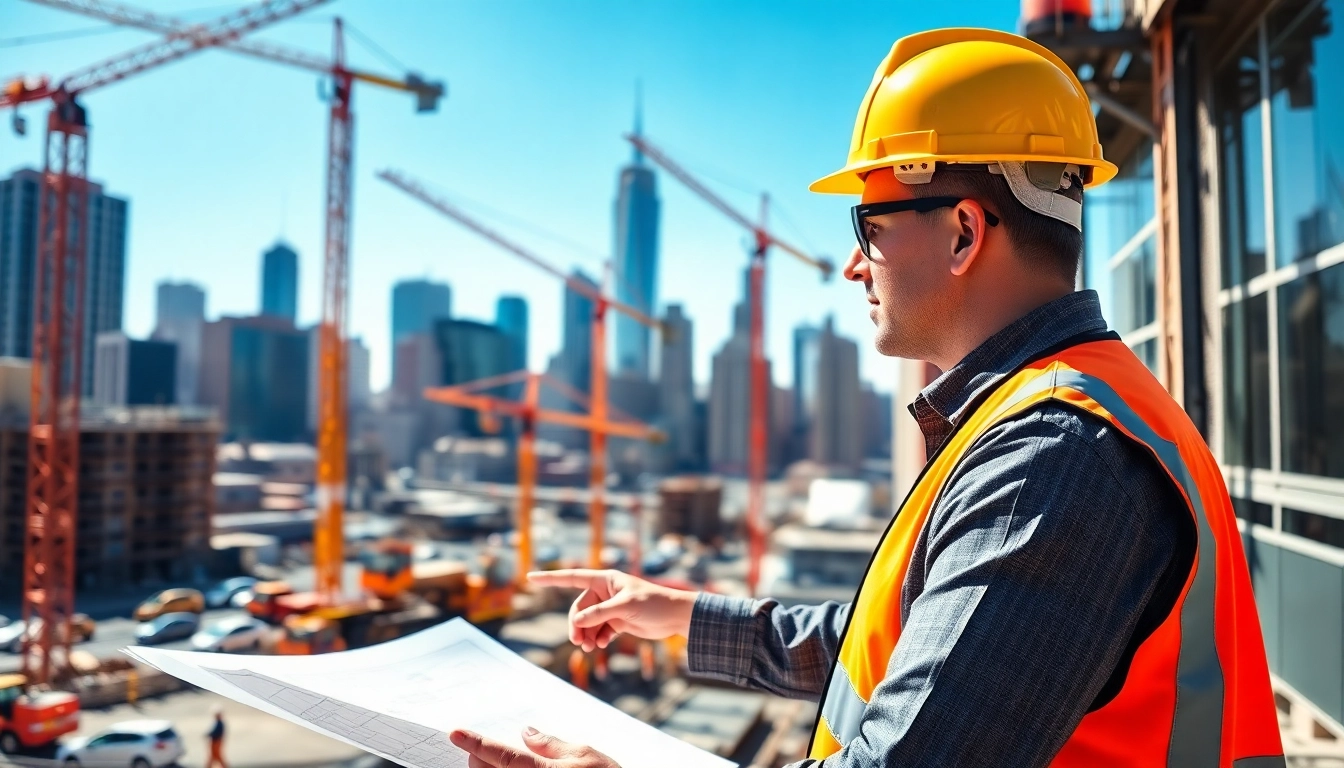
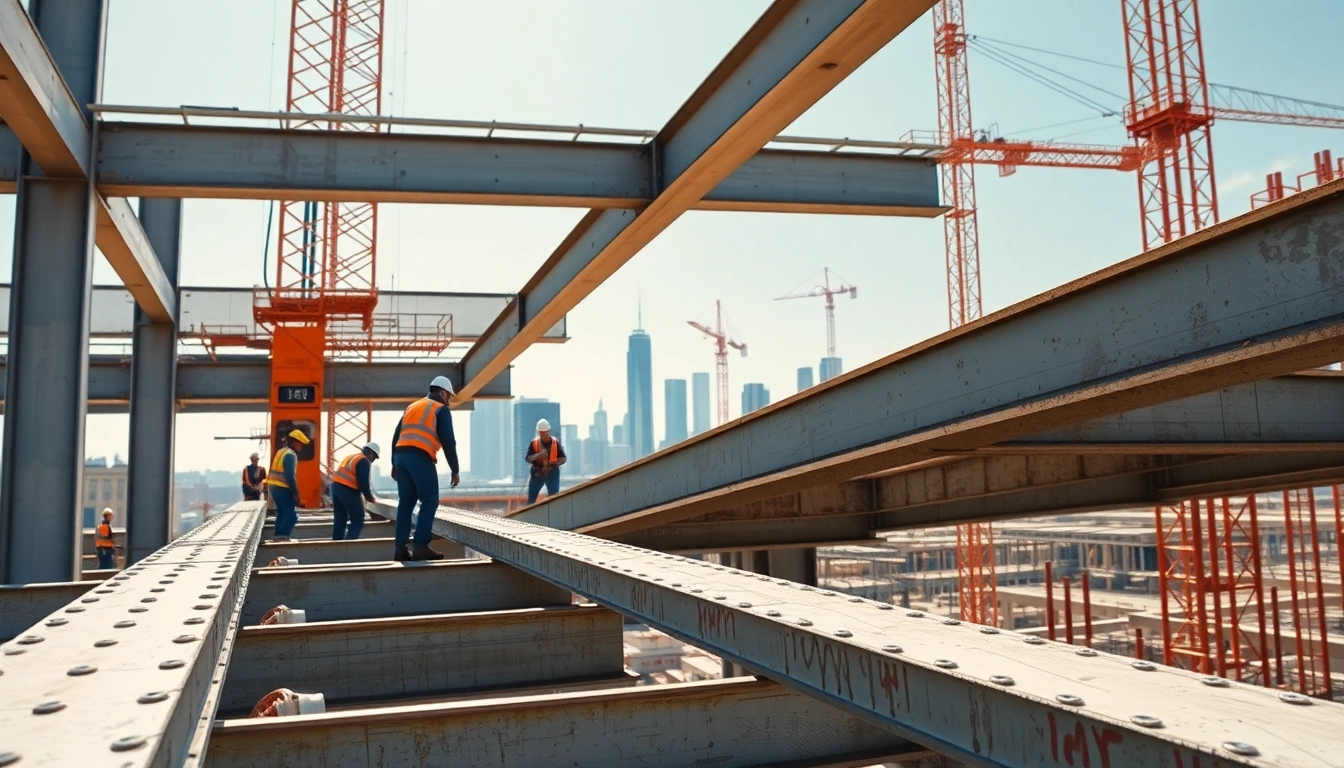
Structural steel construction involves the use of steel in construction projects to create frameworks that support buildings and other structures. Steel is favored due to its robust mechanical properties, allowing it to withstand heavy loads while maintaining its shape over time. This type of construction is characterized by the use of beams, columns, and trusses made from various steel profiles, ensuring stability and longevity. In many modern engineering applications, structural steel construction is pivotal due to its efficiency, strength, and ability to be prefabricated for easy assembly.
Benefits of Structural Steel Construction
There are numerous advantages to using structural steel in construction, including:
- High Strength-to-Weight Ratio: Steel's natural strength allows for thinner sections of material, reducing overall weight without compromising structural integrity.
- Durability: Steel is resistant to numerous environmental factors, including earthquakes and high winds, enhancing the longevity of structures.
- Flexibility: Steel can be shaped and molded into various forms, accommodating diverse architectural designs and complex structures.
- Quick Construction: Prefabricated steel components allow for faster assembly on-site, significantly shortening project timelines.
- Cost-Effectiveness: Reduced labor costs and material efficiency contribute to lower overall project expenses when utilizing steel.
Common Applications of Structural Steel Construction
Structural steel is applied in various contexts, including:
- Commercial Buildings: The framework for skyscrapers, office buildings, and shopping centers often uses structural steel due to the need for high load-bearing capabilities.
- Industrial Facilities: Factories and warehouses benefit from open spaces created by steel frameworks, allowing for easy movement of equipment and materials.
- Bridges: Steel is a fundamental material in bridge construction, providing the necessary strength to span large distances while maintaining structural integrity.
- Residential Construction: Increasingly, modern homes utilize steel frameworks for durability and design flexibility.
Planning Your Structural Steel Construction Project
Key Elements in Project Planning
Effective project planning is vital for the success of any structural steel construction project. Essential planning elements include:
- Defining Objectives: Clear project objectives guide decision-making throughout the construction process, ensuring all stakeholders are aligned.
- Budgeting: A thorough budget that factors in labor, materials, and contingencies helps manage costs and avoid financial overruns.
- Site Selection: Choosing the right location impacts logistics, accessibility, and overall project feasibility.
- Design Considerations: Collaboration with architects and structural engineers ensures that the design is both aesthetically pleasing and structurally sound.
Choosing the Right Materials
Selecting adequate materials is crucial for achieving optimal performance in structural steel construction. Considerations include:
- Type of Steel: Different grades and types of steel (such as carbon, alloy, or stainless) have unique properties that affect performance and costs.
- Coatings and Finishes: Protective coatings, such as galvanizing or painting, enhance corrosion resistance and lifespan.
- Compliance with Standards: Ensure all materials comply with relevant industry standards to enhance safety and performance.
- Sustainability: Opt for recycled or environmentally friendly materials when possible for a more sustainable approach.
Setting a Realistic Timeline
Establishing a realistic timeline ensures that all project phases are completed in an orderly fashion. Key steps in timeline setting include:
- Defining Milestones: Identify critical milestones and timelines for procurement, construction, and inspections.
- Buffer Time: Include buffer periods for potential delays, such as adverse weather or supply chain issues.
- Monitoring Progress: Regularly review project timelines against progress to ensure adherence to schedules and make adjustments as necessary.
Best Practices for Structural Steel Construction
Safety Standards and Regulations
Compliance with safety standards is essential in structural steel construction to protect workers and ensure structural integrity. Key aspects include:
- OSHA Regulations: Familiarize yourself with OSHA regulations that govern construction safety and ensure compliance on-site.
- Safety Training: Providing safety training to all workers reduces the risk of accidents and injuries.
- Personal Protective Equipment (PPE): Ensure that workers utilize appropriate PPE at all times to mitigate hazards.
Innovative Techniques and Technologies
Incorporating innovative techniques and technologies can enhance the efficiency and safety of structural steel projects. These may include:
- Building Information Modeling (BIM): BIM technology facilitates detailed project visualization, allowing for better planning and coordination.
- 3D Printing: This technology is being explored for creating steel components, reducing waste and allowing for complex designs.
- Robotics and Automation: Using robotic systems can improve precision in steel fabrication and assembly tasks.
Sustainable Approaches in Structural Steel Construction
Sustainability in construction is critical for reducing environmental impacts. Practices include:
- Recycling Steel: Steel is one of the most recycled materials in the world, minimizing waste and conserving resources.
- Energy Efficiency: Employing energy-efficient processes and technologies reduces overall energy consumption during construction.
- Green Certifications: Striving for LEED and other green building certifications enhances the sustainability profile of projects.
Challenges in Structural Steel Construction
Common Issues Faced on Construction Sites
While structural steel construction brings numerous benefits, challenges can arise, including:
- Supply Chain Disruptions: Delays in steel delivery can significantly impact timelines and project costs.
- Welding and Fabrication Challenges: Issues with welding quality can affect structural integrity, necessitating rework and inspection.
- Weather Conditions: Adverse weather can delay construction and affect worker safety.
How to Overcome these Challenges
Addressing potential challenges proactively is key to ensuring successful project outcomes. Consider the following strategies:
- Robust Supply Chain Management: Establish relationships with multiple suppliers and keep open lines of communication to manage materials effectively.
- Quality Control Measures: Implement strict quality control protocols during fabrication and installation to catch issues early.
- Weather Planning: Monitor weather forecasts and plan construction schedules to avoid severe weather impacts.
Case Studies of Successful Problem Solving
Examining successful case studies can provide valuable insights into effective problem-solving during steel construction projects. For example:
In a recent high-rise project, unexpected soil conditions delayed foundation work. The team adapted by conducting a swift geotechnical assessment and redesigning the foundation methodology, allowing the project to proceed with minimal delays.
In another case, a bridge construction project faced welding issues due to fluctuating temperature conditions. The contractor implemented strict temperature control measures, ensuring welding quality and timely project completion.
Evaluating the Success of Structural Steel Construction
Key Performance Indicators
Evaluating project success involves tracking specific key performance indicators (KPIs), including:
- Budget Adherence: Monitoring costs against the initial budget helps identify financial efficiency.
- Schedule Compliance: Tracking progress against the project timeline ensures tasks are completed on time.
- Safety Records: Evaluating incident rates and compliance with safety protocols can indicate the overall safety of the project.
Cost Management and Budgeting
Effective cost management is essential for the sustainability of structural steel projects. Strategies include:
- Detailed Cost Estimates: Use accurate and comprehensive cost estimation methods to prevent budget overruns.
- Regular Budget Review: Conduct frequent budget assessments to identify variances and adjust strategies as needed.
- Utilization of Technology: Software tools can provide real-time tracking of expenses and forecasts.
Feedback Mechanisms for Continuous Improvement
A culture of continuous improvement strengthens the success of structural steel construction projects. Feedback mechanisms include:
- Post-Project Reviews: Conduct reviews with stakeholders to glean insights on what worked well and areas for improvement.
- Employee Feedback: Gathering input from workers can reveal on-site challenges and suggestions for enhancements.
- Client Feedback: Understanding client satisfaction can inform future project approaches.
Frequently Asked Questions
What materials are commonly used in structural steel construction?
The primary material used is steel, specifically various grades of carbon, alloy, and stainless steel. Additional materials like concrete and composite materials may also be used in combination.
How is structural steel manufactured?
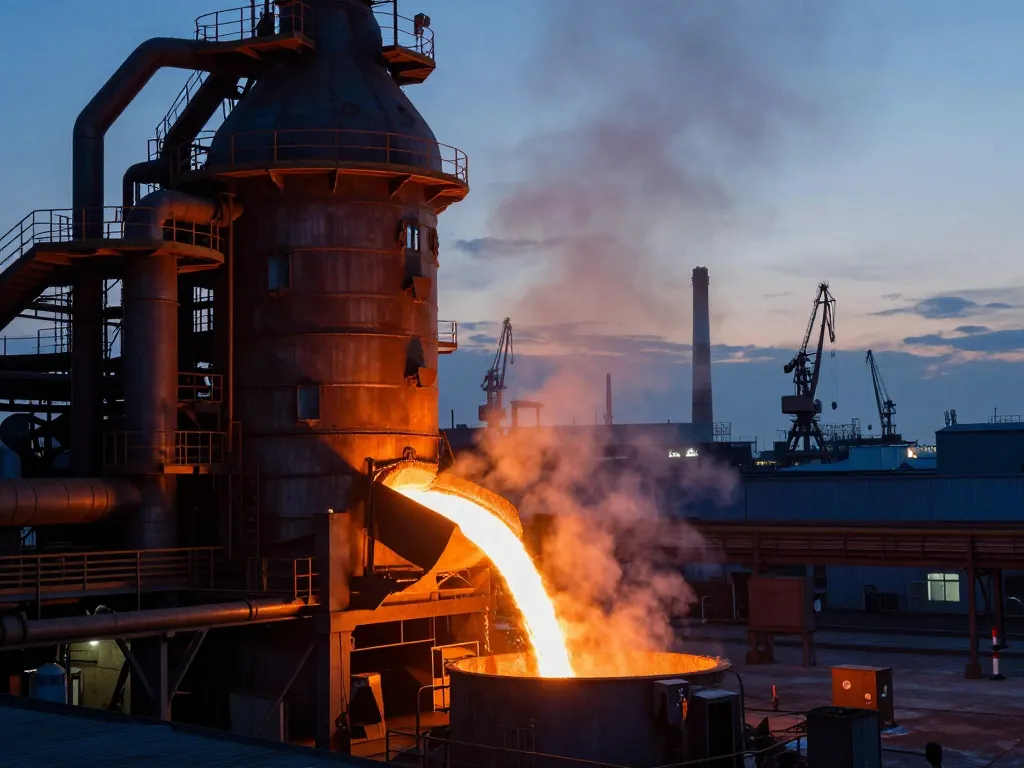
Structural steel is fabricated through processes involving melting, casting, and shaping steel into beams, columns, and plates, ensuring compliance with relevant standards.
What are the main benefits of using structural steel?
Key benefits include high strength-to-weight ratio, durability, flexibility, quick construction timelines, and cost-effectiveness for various applications.
How does sustainability fit into structural steel construction?
Sustainability is crucial as steel can be recycled, and construction methods can minimize waste. Using energy-efficient practices also enhances environmental benefits.
What impacts the cost of structural steel construction?
Costs are influenced by material prices, design complexity, labor rates, geographic location, and economic conditions affecting the steel market.