Understanding the Role of a Videographer
What Does a Videographer Do?
A Videographer plays a crucial role in creating video content across various fields, including entertainment, corporate communications, and event documentation. They are responsible for capturing high-quality video footage, managing video production elements, and delivering a polished final product. Typically, videographers work closely with clients to understand their vision and objectives, ensuring the video aligns with brand messaging or storytelling requirements.
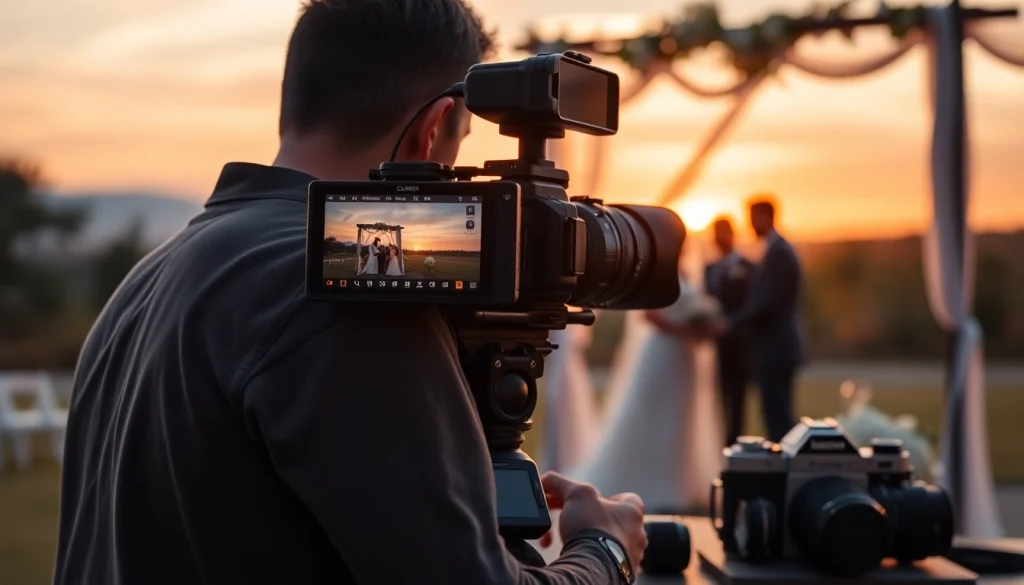
Their responsibilities can vary widely based on the type of project at hand. For instance, a wedding videographer focuses on documenting special moments during the ceremony and reception, while a corporate videographer may create promotional videos, training materials, or testimonials. Mastery of technical skills such as camera operation, lighting, and sound recording is essential, alongside creativity in framing shots and telling compelling stories through visuals.
Types of Videography Services Offered
Videographers offer a diverse range of services tailored to meet the needs of different clients. Here’s a closer look at some of the most common types of videography services:
- Event Videography: Capturing significant life events such as weddings, birthdays, and corporate functions.
- Corporate Videography: Creating promotional content, training videos, and internal communications for businesses.
- Commercial Videography: Producing advertisements and marketing materials aimed at promoting products or services.
- Documentary Videography: Telling real-life stories through interviews, footage, and voiceovers.
- Real Estate Videography: Providing drone and ground-level footage showcasing real estate properties for sale.
- Creative Videography: Employing innovative techniques and concepts for artistic projects, including music videos and short films.
Essential Skills of a Videographer
A successful videographer possesses a mix of technical skills and soft skills, enabling them to produce engaging visual content. The following skills are fundamental:
- Technical Proficiency: Familiarity with cameras, lighting equipment, audio gear, and editing software.
- Creativity: An eye for detail and the ability to tell stories through visual mediums.
- Communication: The ability to work closely with clients and understand their needs while providing valuable input.
- Project Management: The ability to organize and execute video projects efficiently, often under tight deadlines.
- Adaptability: Being able to adjust to various settings, challenges, and client expectations.
Choosing the Right Videographer for Your Project
Key Questions to Ask Potential Videographers
When selecting a videographer, asking the right questions can help ensure that you find the perfect fit for your project. Here are essential questions to consider:
- What type of projects do you typically handle, and do you have experience with similar projects?
- Can you provide references or examples of your previous work?
- What is your approach to collaborating with clients, and how do you handle feedback?
- What equipment do you use, and do you have backup systems in place?
- How do you ensure the quality of audio and video during production?
Evaluating Videographer Portfolios
Reviewing a videographer’s portfolio is a crucial step in the selection process. A well-curated portfolio not only showcases their style and skills but also indicates their ability to capture the essence of various subjects and projects. Here are some tips for evaluating portfolios:
- Look for diversity: Ensure the portfolio includes a variety of projects that demonstrate versatility.
- Assess storytelling capability: Watch how the videographer conveys emotion and narrative through their work.
- Quality over quantity: Focus on the quality of select pieces rather than the number of videos available.
- Client alignment: Determine if their style aligns with your vision for the project.
Budget Considerations When Hiring a Videographer
Budgeting is often a deciding factor in hiring a videographer. Costs can vary based on several factors, including experience, equipment used, project duration, and post-production demands. Here are some critical considerations:
- Understand pricing models: Some videographers charge by the hour, while others may provide flat rates for packages.
- Negotiate scope: Clearly outline your expectations. Sometimes, scaling back on specific elements can reduce costs.
- Factor in additional costs: Don’t forget to include costs for travel, permits, and additional editing if required.
Best Practices for Working with a Videographer
Preparing for Your Videography Session
Effective preparation can significantly enhance the videography experience and ensure a smooth workflow. Here are some best practices:
- Discuss your vision: Share your goals and ideas with the videographer to create a shared understanding.
- Organize key details: Provide the videographer with timelines, locations, and subjects involved prior to the shoot.
- Establish a shot list: Collaborate to outline key shots you want included to help guide the videographer’s focus during filming.
Effective Communication with Your Videographer
Maintaining open lines of communication is crucial throughout the videography process. Here’s how to foster effective communication:
- Be receptive to suggestions: An experienced videographer can provide valuable insights to elevate your project.
- Check-in during the production: If possible, be present during the shoot to provide guidance and feedback in real-time.
Tips for Getting the Best Footage During Events
To ensure the videographer captures the best moments during events, consider these practical tips:
- Minimize distractions: Work with your team to ensure minimal interruptions during critical shots.
- Ensure proper lighting: If possible, provide or arrange for additional lighting to enhance video quality.
- Encourage natural moments: Authentic interactions often lead to the most engaging footage.
The Importance of Videography in Marketing
How Videographers Enhance Brand Storytelling
Videographers play a vital role in crafting compelling brand narratives. By leveraging video storytelling, businesses can connect emotionally with their audience, effectively conveying their messages. Here’s how videography enhances brand storytelling:
- Visual Experience: Video engages visitors more than text or static images, leading to improved retention and understanding.
- Emotional Connection: Videos can evoke emotions through visuals, soundtracks, and narratives that resonate with viewers.
- Multichannel Outreach: Video content is highly shareable on social media platforms, further amplifying brand messages.
Utilizing Video Content on Social Media
Social media platforms have become indispensable in marketing strategies. Utilizing video content effectively can enhance your brand’s online presence. Consider these strategies:
- Short clips: Use attention-grabbing snippets on platforms like Instagram and TikTok to improve engagement.
- Behind-the-scenes content: Offering a glimpse behind the curtain can humanize your brand and foster community interaction.
- Live streaming: Engaging audiences through live video broadcasts can create real-time connection and urgency.
Measuring the Impact of Videography on Engagement
To evaluate the effectiveness of video content, utilize analytics tools to measure engagement metrics. Key metrics include:
- View counts: Indicate how many people watched your video.
- Engagement rate: Show how viewers interact with the content, including likes, comments, and shares.
- Conversion rates: Measure the percentage of viewers who take a desired action after watching your video.
Trends in Videography to Watch
Emerging Technologies in Videography
Videography continues to evolve with emerging technologies shaping the industry. Here are some notable trends:
- 360-Degree Video: Creating immersive viewing experiences by allowing viewers to navigate the video from multiple angles.
- Drones: Utilizing drone videography for breathtaking aerial shots that add a unique perspective.
- Virtual Reality (VR): Employing VR technology to provide experiences that engage viewers on an unprecedented level.
Popular Styles and Formats of Videography
Staying current with popular styles and formats is vital for videographers to maintain relevance in a competitive marketplace. Some popular trends include:
- Documentary Style: Emphasizing real stories and authenticity rather than staged scenes.
- Vlog Formats: Casual, personal videos that allow creators to connect directly with their audience.
- Live Action and Animation Blends: Combining both styles to create dynamic, engaging content.
Staying Ahead of the Competition as a Videographer
To remain competitive in the industry, videographers should focus on continual learning and adaptation. Here are strategies to stay ahead:
- Keep updating skills: Regularly attend workshops, tutorials, and webinars to learn about new techniques and software.
- Build a strong online presence: Utilize social media and personal websites to showcase your work and attract clients.
- Network effectively: Connect with fellow creators, businesses, and potential clients to expand your reach and opportunities.