Understanding the Cape Style Home In-Law Addition
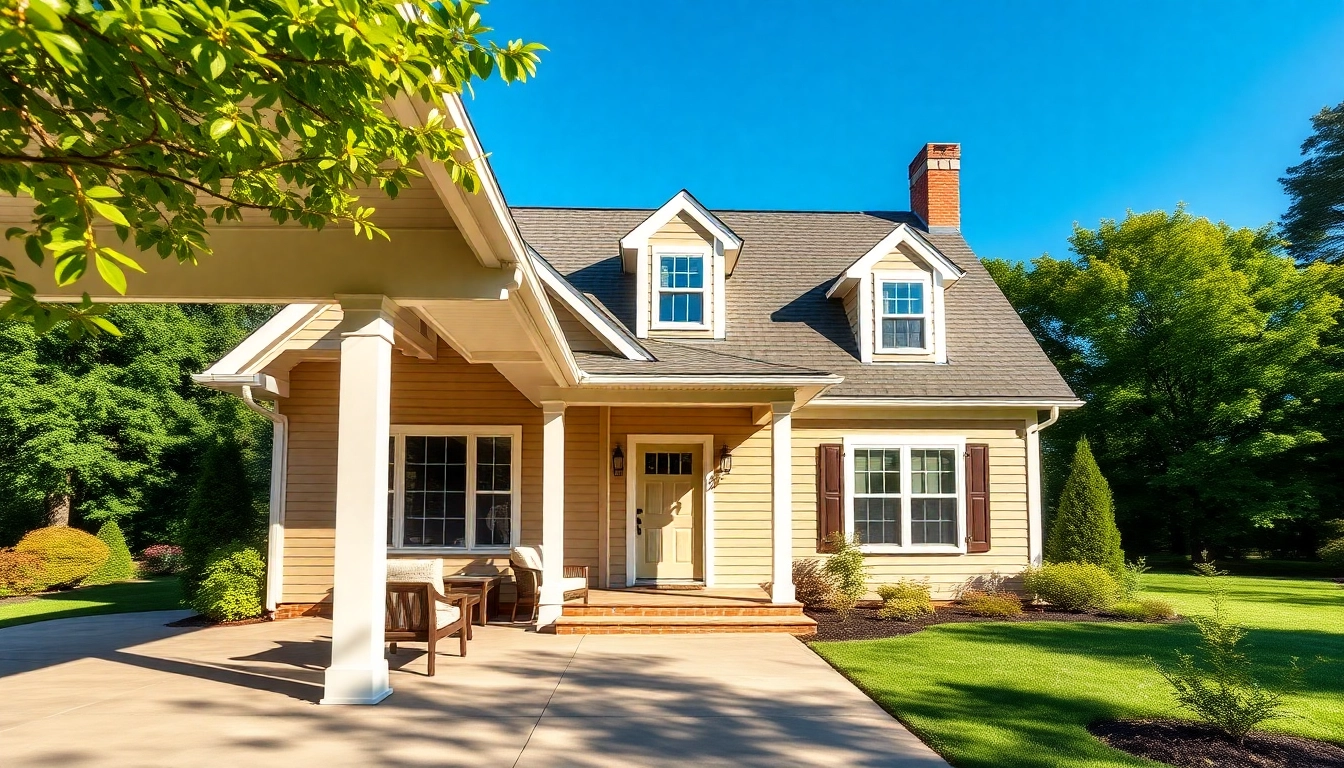
In recent years, residential architecture has seen a surge in the popularity of Cape Style Home In-Law Addition. This trend is more than just a design choice; it signifies a deeper understanding of family dynamics and living arrangements. The Cape Style home, characterized by its symmetrical shape, steep rooflines, and dormer windows, integrates seamlessly with in-law additions aimed at accommodating extended family members. These spaces provide both independence and proximity, facilitating family togetherness while still allowing personal privacy.
Historical Background of Cape Style Homes
Cape Style homes trace their origins back to the 17th century in New England, where practicality governed design choices. These homes were built to withstand harsh winters, offering an aesthetically pleasing yet functional living space. The iconic steep pitches of the roof not only contribute to the architectural style but also effectively shed snow, an important feature in northern climates. Over centuries, this style has evolved but maintained its allure due to its versatile layout and charming characteristics, making it an ideal foundation for a modern in-law addition.
Key Features of In-Law Additions
When contemplating an in-law addition to a Cape Style home, understanding its key features is vital. Typically, these additions encompass a separate living area, bedroom, bathroom, and sometimes even a kitchenette, designed to foster independence. However, to harmonize with the existing structure, the addition should replicate or complement design elements such as roofing styles, siding materials, and window types. This ensures a cohesive look that maintains property integrity and enhances curb appeal.
Importance of Family Space
Family dynamics are continually changing, resulting in a growing need for versatile living spaces. In-law additions provide an invaluable solution, allowing for multiple generations to coexist in one household without sacrificing comfort or privacy. This arrangement not only satisfies practical needs, such as childcare or elder care, but also promotes deeper familial bonds and support structures. Moreover, these additions are an investment in a family’s future, providing space that can later be repurposed or rented out, enhancing long-term property value.
Benefits of a Cape Style Home In-Law Addition
Adding an in-law suite to a Cape Style home comes with numerous advantages, not just for the homeowners but also for the family members residing within.
Enhanced Family Living
One of the main benefits of a Cape Style Home In-Law Addition is the enhancement of family living. This layout allows for shared experiences, communal activities, and the security that comes from having family members nearby. By allocating space for individual privacy while still providing communal areas, family members can foster stronger relationships without feeling cramped or intrusive.
Increased Property Value
A well-designed in-law addition significantly boosts property value. Prospective buyers often view in-law suites as a desirable feature, particularly in markets where multi-generational living is common. This addition not only diversifies the home’s functionality—appealing to a broader audience—but also encourages potential investment for families seeking expansion and flexibility.
Flexible Living Solutions
In a rapidly evolving housing market, flexibility is essential. A Cape Style Home In-Law Addition offers homeowners the ability to adapt their living arrangements as family needs change. Whether accommodating aging parents, adult children, or even visitors, these additions provide ample options without the need to move. For families looking to future-proof their residences, this flexibility makes practical sense.
Design Considerations for Your Cape Style Home In-Law Addition
Designing a Cape Style Home In-Law Addition requires careful planning to ensure architectural integrity and functionality.
Architectural Harmony with Existing Structures
Ensuring that an in-law addition complements the existing Cape Style home is crucial. Focusing on the proportions, materials, and colors found in the main house can foster a sense of unity. Keeping rooflines consistent, matching siding styles, and using similar windows help the new addition feel like a natural extension rather than an afterthought.
Choosing the Right Materials and Colors
The choice of materials and colors cannot be understated. Traditional Cape homes often feature wood siding painted in muted tones, which can be replicated in the addition to preserve the aesthetic. Emphasizing natural materials not only enhances visual cohesion but can also improve the structure's durability and energy efficiency.
Maximizing Natural Light
Natural light plays a vital role in creating a welcoming atmosphere. By incorporating large windows, skylights, or even glass doors that open onto outdoor spaces, homeowners can foster a bright and airy environment within the in-law suite. Effective planning of window placements not only captures sunlight but also ensures that the space feels open and inviting.
Planning and Budgeting for the Project
Planning and budgeting are fundamental steps in undertaking a Cape Style Home In-Law Addition.
Setting Realistic Budgets
A thorough budget is central to successful project management. When planning a Cape Style Home In-Law Addition, consider factors such as construction costs, design fees, and materials. Allocating additional funds for unforeseen expenses can safeguard against project delays and overruns, ensuring a smoother building journey.
Timeline for Design and Construction
Understanding the timeline for the design and construction phases is essential to set expectations. Typically, design may take several weeks to months, depending on specifications. The construction phase should also be thoughtfully scheduled, allowing for proper assessments, inspections, and finishes, maximizing efficiency without compromising quality.
Legal Considerations and Permits
Navigating legal considerations and obtaining the necessary permits is crucial. Zoning regulations can dictate what additions are permitted and any restrictions on size or type. Consulting local authorities ensures compliance and avoids costly delays or modifications down the line. Professional guidance can streamline this process significantly.
FAQs about Cape Style Home In-Law Addition
What is a Cape Style Home In-Law Addition?
A Cape Style Home In-Law Addition is a space designed for family members to live independently while remaining close to the main household.
How do I ensure privacy in an In-Law Addition?
Incorporate soundproofing, strategic landscaping, and separate entrances in your design to enhance privacy for each unit.
What are the typical costs involved?
Costs vary based on size, materials, and location but expect to budget for construction, permits, and design fees.
Can I customize the design of my In-Law Addition?
Yes, customizing your In-Law Addition is essential to meet the needs of its occupants and to integrate with the existing structure.
How does an In-Law Addition affect property taxes?
Adding an In-Law Addition may increase your property assessment, potentially raising your property taxes depending on local regulations.