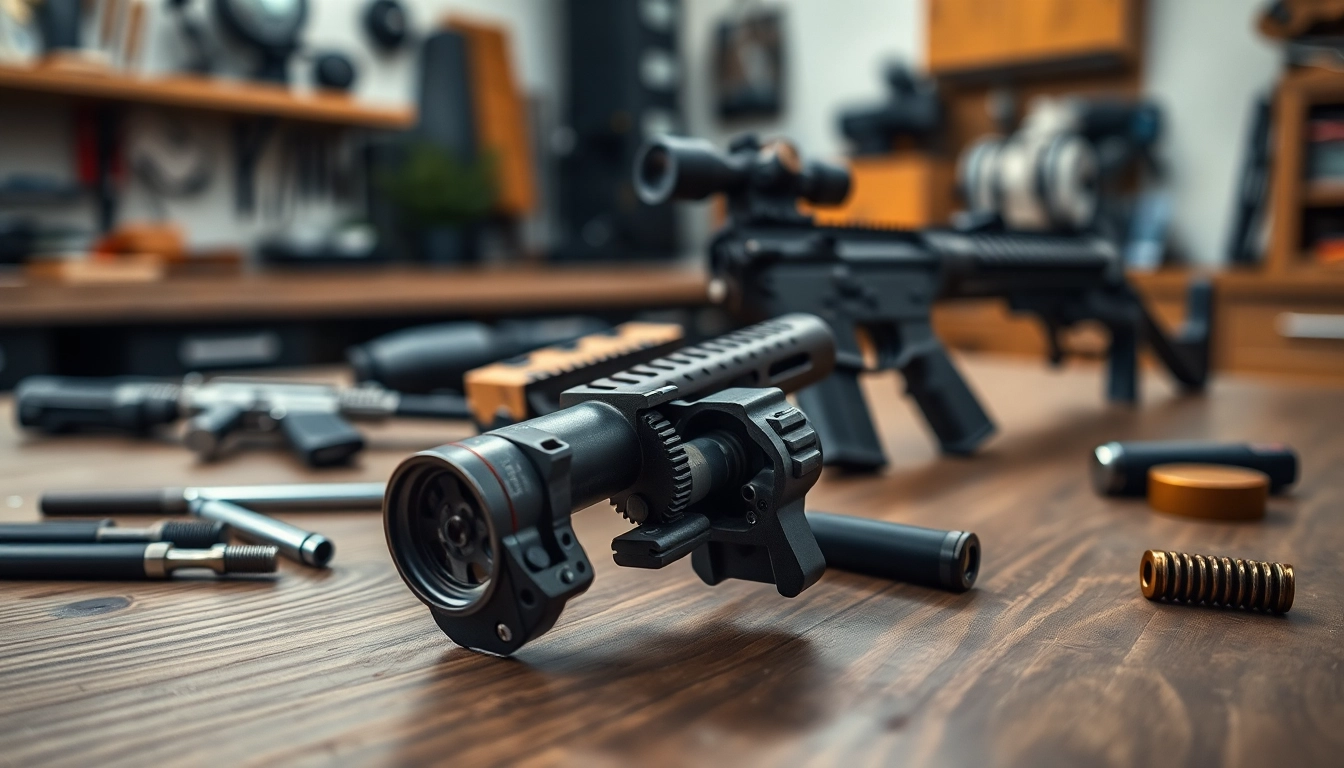
Understanding AR Trigger Basics
The foundation of a great AR-15 rifle begins with a quality ar trigger. A trigger serves as the interface between the shooter and the firearm, making it crucial for accuracy and performance. Today, we'll delve deep into the essential aspects of AR triggers, exploring their types, importance, and more.
What is an AR Trigger?
At its core, an AR trigger is a mechanism that releases the firing pin of a rifle when engaged. This mechanical device is critical for the functionality and shooting experience of an AR-15 setup. It essentially consists of several components including a trigger, disconnector, hammer, and sear. Each of these parts works together to deliver a clean, precise shot.
Types of AR Triggers Explained
AR triggers can be categorized mainly into two types: single-stage and two-stage triggers.
- Single-Stage Triggers: These triggers have a direct pull action; when you apply pressure, the shot is released without any noticeable movement in between. They are favored for their simplicity and speed.
- Two-Stage Triggers: This type offers a preliminary take-up phase followed by a clean break, which can enhance accuracy for precision shooting. The first stage is generally lighter, allowing shooters to get a feel for the trigger before the decisive second stage releases the round.
Importance of Trigger Quality
The quality of an AR trigger can drastically influence shooting performance. A poor-quality trigger can lead to inaccuracies, misfires, or inconsistent shot placements, while a well-crafted trigger improves control, responsiveness, and user satisfaction. A premium trigger typically results in better shooting groups and overall improved handling of the firearm.
Key Features of AR Triggers
When selecting an AR trigger, several features should be evaluated to match your shooting style and needs. Each aspect plays a role in how the trigger interacts with the user's skill level and intended application, whether for competitive shooting, hunting, or recreational purposes.
Pull Weight Variations
Pull weight refers to the amount of force required to squeeze the trigger and is typically measured in pounds. Most AR triggers are available in pull weights ranging anywhere from 2 to 6 pounds. A lighter pull weight allows for faster shooting, beneficial in competitive environments or rapid-fire situations. Conversely, heavier weight can provide more control for precision shooting.
Trigger Reset and Break
The reset is an essential aspect of a trigger's operation, impacting follow-up shot capability. A quicker reset allows for faster follow-up shots, which is particularly useful in high-speed shooting scenarios. The break refers to the moment the trigger releases the hammer. A clean and crisp break is preferred as it provides confidence in the shot being precise.
Single vs. Two-Stage Triggers
As mentioned earlier, the choice between single and two-stage triggers often comes down to personal preference and intended use. Single-stage triggers are typically favored for their speed and are often chosen for tactical applications, while two-stage triggers are ideal for shooters who prioritize accuracy and control, especially in precision shooting situations.
Choosing the Best AR Trigger for Your Needs
Selecting the right trigger can significantly influence the performance and enjoyment of shooting. Here are key considerations to guide your decision-making process:
Determine Your Purpose
Your specific shooting needs should drive the choice of trigger type. If you're competing, a trigger with a lighter pull weight and quick reset may be essential, while a heavier trigger might be preferable for long-range hunting to prevent accidental discharges.
Consider User Preferences
Individual comfort plays a considerable role in choosing an AR trigger. Test various triggers if possible, allowing yourself to gauge the physical feel and responsiveness when pulled. Some shooters prefer a tactile feel, while others appreciate a silky smooth action. Understanding your shooting style will help you navigate through the choices available.
Budgeting for Quality
Investing in a quality trigger is worthwhile, but it's essential to set a budget beforehand. While many top-tier triggers are available, quality options also exist in mid-range categories. Evaluate your weekend shooting versus competition needs and invest accordingly to guarantee a satisfying shooting experience.
Installation and Maintenance of AR Triggers
A proper installation process is vital for an AR trigger's performance. Regular maintenance will ensure longevity and consistent operation of your trigger. Below are guidelines for both.
Step-by-Step Installation Process
- Prepare Your Workspace: Ensure a clean area, gather all necessary tools, and ensure the firearm is unloaded.
- Remove the Old Trigger: Disassemble the lower receiver to access the trigger assembly.
- Install the New Trigger: Follow the manufacturer’s instructions carefully to position and attach new trigger components.
- Reassemble the Lower Receiver: After installation, carefully reassemble all parts and conduct functionality checks.
Regular Maintenance Tips
Keep your AR trigger functioning properly through regular maintenance. This includes periodic cleaning to prevent debris buildup and ensuring all components move freely without friction. Lubrication of moving parts helps maintain a smooth operation. Always check for wear and tear on trigger components and consider replacements as required.
Troubleshooting Common Issues
Occasional issues may arise, such as failure to reset or misfires. Conduct a visual inspection initially to identify any noticeable damage or dirt. If problems persist, the trigger may need readjustment or even replacement. In complex cases, consulting professional services may be required.
Performance Metrics for AR Triggers
Understanding performance metrics allows for objective assessments of different triggers available in the market. Review the following metrics to determine which trigger aligns with your shooting style.
Evaluating Trigger Performance
Performance can be gauged through pull weight, feel of the break, and reset time. It’s helpful to measure these aspects in different situations: from bench shooting to rapid fire. Tracking tightness of shot groups can also offer insights into trigger effectiveness under varying conditions.
Comparative Analysis of Top Options
Develop a personalized ranking of AR triggers based on your unique experiences and preferences. By testing multiple trigger mechanisms, you can record important features like pull weight, reset speed, and overall feel. Building a comparison list can help you visually appreciate the differences in each trigger's performance in your specific context.
User Feedback and Recommendations
Are you uncertain about which trigger to choose? Consider seeking feedback from fellow shooters who have firsthand experiences with different options. Online communities, forums, or local ranges are excellent resources for gaining insights and advice based on varied user experiences.
Frequently Asked Questions
What is the average cost of an AR trigger?
The price for AR triggers ranges widely, typically from $50 to over $300, depending on features and quality.
How often should I maintain my AR trigger?
Regular maintenance every few hundred rounds is ideal. Clean and lubricate components to ensure optimal performance.
Can I install an AR trigger myself?
Yes, if you have basic mechanical skills and follow installation guides, you can install an AR trigger yourself safely.
Does trigger pull weight affect accuracy?
Yes, lighter trigger pulls can enhance accuracy by reducing shooter movements during firing. However, it depends on personal comfort and effectiveness.
What are the signs of a failing AR trigger?
Look for issues like failure to reset, inconsistent pulls, or signs of wear on component surfaces as signs of a failing trigger.