
Understanding the Essentials of a Trade Show Booth
What is a Trade Show Booth?
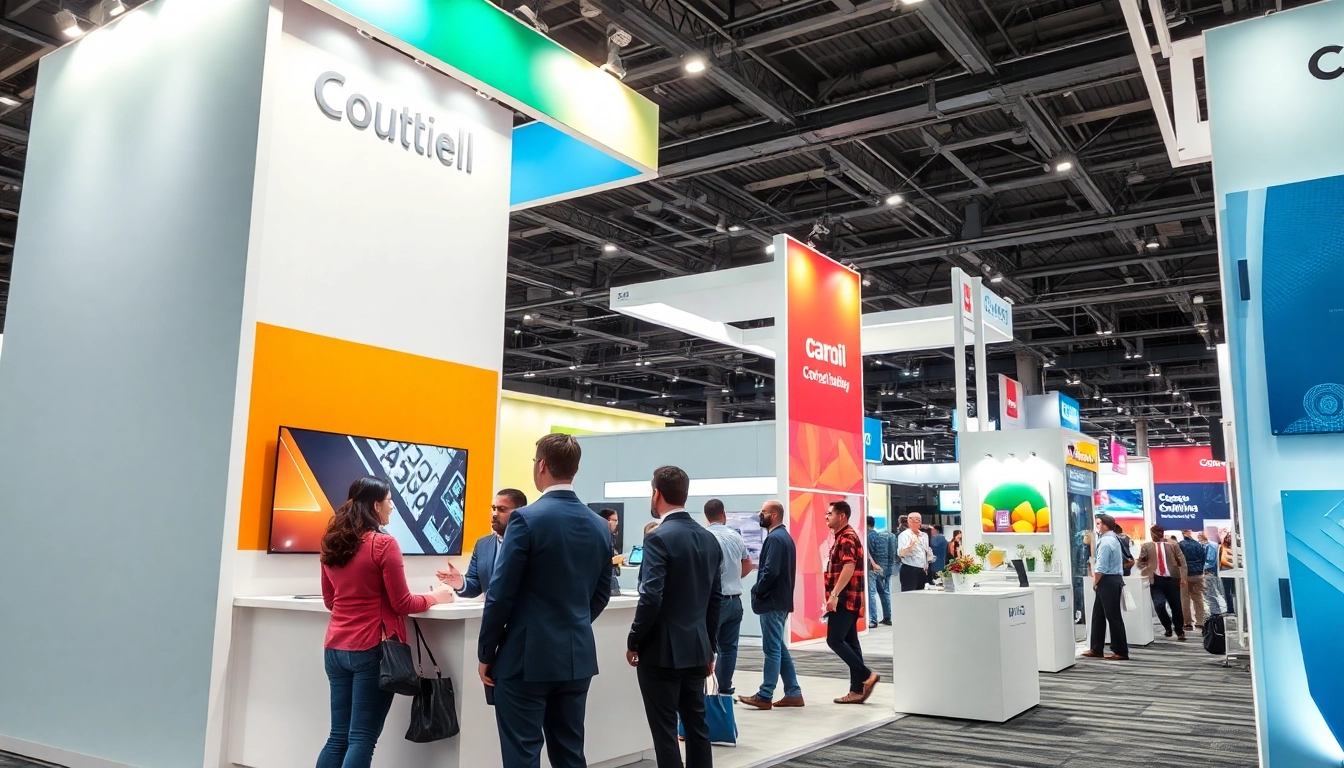
A trade show booth serves as a designated space within an exhibition hall where businesses showcase their products, services, and brand identity to potential customers, partners, and stakeholders. Essentially, it acts as a company’s physical representation in a competitive marketplace, providing an avenue to create meaningful interactions with visitors. The layout, design, and functionality of this space can significantly impact the booth’s effectiveness in attracting and engaging attendees. For more details on effective layouts and setups, visit our dedicated resource on trade show booth options.
Key Components of a Trade Show Booth
A successful trade show booth consists of several vital components, each playing a role in creating an engaging experience for visitors. Fundamental elements include:
- Display Structures: These include banners, backdrops, and stands that visually communicate the company’s message and branding. Portable and customizable options have become increasingly popular.
- Technology: Integrating screens or tablets allows companies to showcase product videos, presentations, and interactive elements that draw the interest of attendees.
- Furniture: Seating areas, tables, and display cases enhance visitor comfort and create an inviting atmosphere. Thoughtful furniture arrangements can also help facilitate conversations.
- Marketing Materials: Brochures, business cards, and promotional items should be readily available for attendees to take home, ensuring brand recall after the event.
- Lighting: Effective lighting can highlight key features of a booth and create an enticing ambiance that draws in foot traffic.
The Importance of Location and Space
Choosing the right location on a trade show floor is critical for maximizing visibility and foot traffic. High-visibility areas near entrances, main aisles, or popular attractions tend to yield better results. Additionally, understanding the space requirements for various booth setups—such as 10 x 10 or larger inline booths—ensures optimal engagement with attendees. The way space is arranged can also influence the visitor experience, making it easier for attendees to navigate and engage with various displays.
Designing an Eye-Catching Trade Show Booth
Choosing the Right Materials and Layout
In designing a trade show booth, the choice of materials plays a significant role in durability and visual impact. Lightweight materials like tension fabric and modular displays are often preferred due to their easy transportability and setup flexibility. Additionally, the layout should encourage flow—allowing visitors to move easily through the space without feeling crowded or obstructed.
Incorporating Branding and Graphics
Effective branding is essential for a trade show booth’s success. Graphics should clearly reflect the company’s branding, values, and messaging. High-resolution, visually impactful images alongside concise messaging can capture attention. Consistency across all branding elements—including color schemes, logos, and taglines—reinforces brand identity and enhances recall.
Creating an Interactive Visitor Experience
One way to stand out at a trade show is by offering visitors an interactive experience. This could include live demonstrations, hands-on product displays, or engaging digital content that requires visitor interaction. Games, contests, or augmented reality experiences can also attract visitors and create a memorable experience that resonates long after the event is over.
Planning for Trade Show Engagement
Effective Pre-show Marketing Strategies
To ensure a successful experience, it’s essential to plan an effective pre-show marketing strategy. This can include email marketing campaigns, social media promotions, and sending invites to existing customers or prospects. Engaging and informative pre-show content can build anticipation and encourage attendees to visit the booth.
Staff Training and Customer Interaction
Equipping staff with the right training before the event is vital for effective customer interaction. Providing product knowledge, sales techniques, and customer engagement strategies ensures that everyone can contribute positively to the visitor experience. Staff should also be approachable and enthusiastic to create a welcoming atmosphere.
Utilizing Technology to Enhance Engagement
With advancing technology, many opportunities now exist for enhancing engagement at trade shows. Tools such as virtual reality (VR), interactive touchscreens, and mobile applications can create immersive experiences for visitors. Live streaming product demonstrations or incorporating QR codes can also guide attendees to more information or exclusive promotions.
Budgeting for Your Trade Show Booth
Estimating Costs for Design and Setup
An effective budget is crucial when planning for a trade show booth. Key expenses include design and build costs, logistics, and transportation expenses, as well as additional costs for marketing materials. It’s also advisable to allocate funds for unforeseen expenses, as costs can fluctuate based on materials and last-minute needs.
Finding Cost-Effective Solutions
Cost-effective solutions can include renting booth space, using modular displays, and minimizing excessive or flashy decorations that provide minimal ROI. Collaborating with other companies for shared booth space or cross-promotional opportunities can also significantly reduce costs while expanding reach.
Allocating Funds for Marketing and Promotion
Effective marketing before, during, and after the trade show ensures that investments yield maximum returns. Allocate budget for pre-event outreach, on-site promotional materials such as giveaways, and post-event follow-ups to nurture leads. Each area of spending should align with the overall branding strategy and sales objectives.
Measuring Success After the Trade Show
Tracking Leads and Customer Interactions
Post-show, tracking leads and calculating visitor interactions is crucial for evaluating return on investment. Collecting data through lead retrieval systems or scheduling follow-up meetings can streamline this process. Ensure staff is trained to capture relevant information efficiently and accurately.
Analyzing Return on Investment (ROI)
Calculating ROI involves comparing the costs invested against the number of leads generated, sales closed, and overall brand exposure. A thorough analysis can reveal whether the event met objectives and provide insights for future improvements. Consider both quantitative data (leads generated, sales made) and qualitative feedback (visitor experiences, staff performance) in this assessment.
Gathering Feedback for Future Improvements
Gathering feedback from both staff and visitors can uncover areas for enhancement. Surveys or informal conversations can yield valuable insights about the booth’s appeal, product interest, and overall experience. Applying this feedback effectively can help improve future strategies and designs, ensuring ongoing success at subsequent events.