

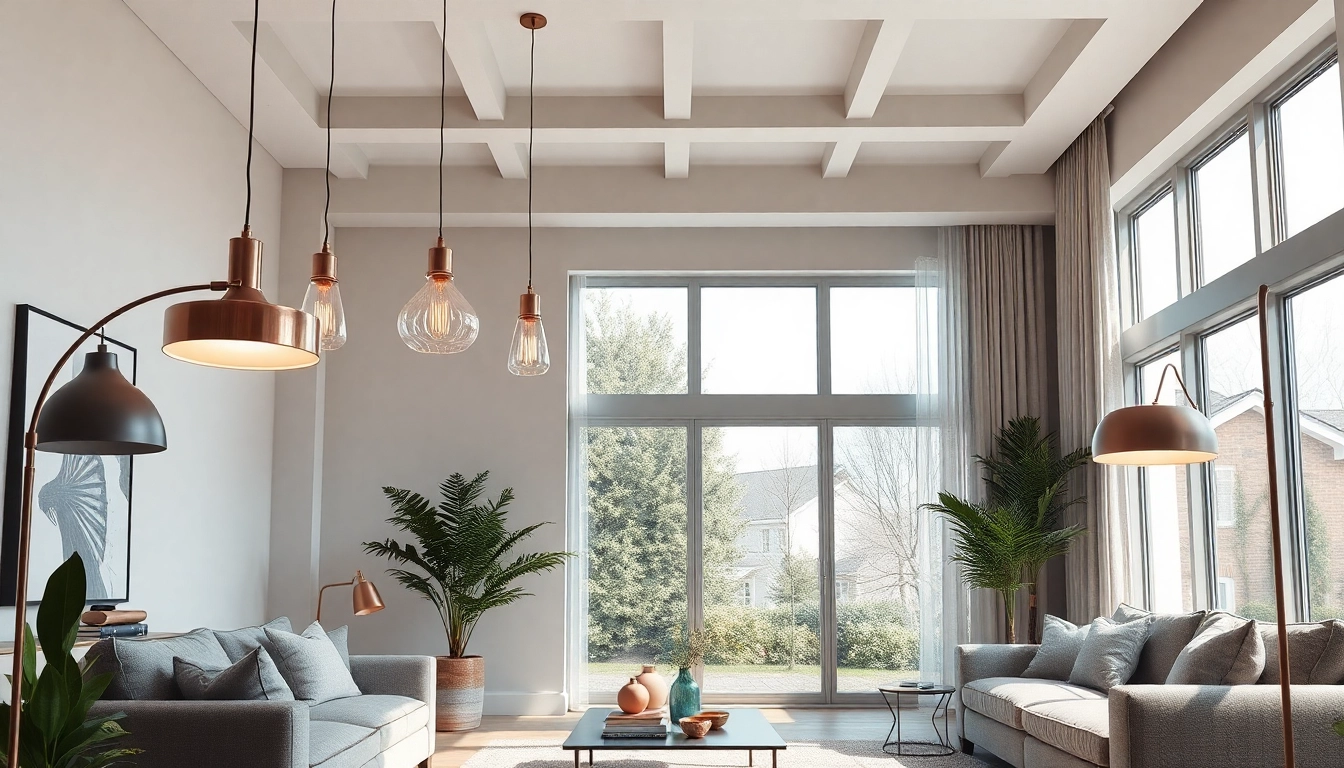
Understanding Modern Lighting
What is Modern Lighting?
Modern lighting refers to a design philosophy that has evolved over time to focus on functionality, simplicity, and often clean lines. The term encompasses a vast array of styles and fixtures that emphasize minimalism while integrating innovative technologies. Unlike traditional lighting, which can include ornate and elaborate designs, modern lighting prioritizes practicality and aesthetic harmony within a space. The key is not just to illuminate but also to create ambiance and enhance the beauty of the surroundings.
Key Characteristics of Modern Lighting Designs
A few key characteristics define modern lighting designs:
- Simplicity: Clean lines and minimal ornamentation create a streamlined appearance.
- Functionality: Lighting fixtures serve practical purposes while contributing to the overall design aesthetic.
- Use of Technology: Emphasis on energy-efficient LED bulbs and smart lighting solutions to enhance usability.
- Variety of Materials: Incorporation of materials such as metal, glass, and even natural elements like wood to create unique designs.
- Adaptability: Many modern lighting fixtures are designed to fit various styles and can be adjusted according to the needs of a space.
Importance of Lighting in Interior Design
Lighting is a crucial aspect of interior design that can dramatically influence the mood and aesthetic of a room. Proper lighting highlights architectural features, provides functionality, and sets the tone for different activities. For example, bright light can energize a space, making it suitable for work, while softer, warmer light can create a cozy atmosphere for relaxation. Effective use of lighting can also enhance the perception of space, making rooms feel larger or more intimate as needed.
Types of Modern Lighting
Ambient, Task, and Accent Lighting Explained
In modern lighting design, it is essential to understand the three primary categories: ambient, task, and accent lighting.
- Ambient Lighting: This is the general illumination of a space, providing a uniform level of light that ensures visibility. Examples include ceiling fixtures, chandeliers, and wall-mounted lights.
- Task Lighting: Designed to illuminate specific areas where activities such as reading, cooking, or working take place. This includes desk lamps, under-cabinet lights in kitchens, and bedside lamps.
- Accent Lighting: This type adds drama and interest to a room by highlighting specific features, such as artwork, architectural details, or plants. Examples include sconces, spotlights, and decorative pendant lights.
Popular Styles in Modern Lighting Fixtures
Modern lighting encompasses a myriad of styles that can complement various interior themes. Some popular styles include:
- Industrial: Features raw materials like metals and exposed bulbs, perfect for urban settings.
- Mid-Century Modern: Characterized by geometric shapes and natural materials, often in bold colors.
- Scandinavian: Focuses on minimalism and functionality with light, airy designs.
- Minimalist: Eliminates excess embellishments, highlighting simplicity and clear lines.
- Contemporary: Ever-evolving designs that incorporate current trends and technology.
Choosing the Right Type for Your Space
Selecting the appropriate type of lighting for different spaces involves considering three main factors: function, style, and atmosphere. Begin by identifying the activities that will take place in the space. For instance, a home office requires task lighting for focused work, while a living room may benefit from a combination of ambient and accent lighting for a cozy environment. Additionally, the decor style should influence choice; a sleek, modern fixture would suit a contemporary space, while an industrial lamp might be perfect for a loft.
How to Shop ModernLighting
Setting a Budget for Your Lighting
When shopping for modern lighting, establishing a budget is vital. Consider the overall design of your space and the number of fixtures you need. It’s worth prioritizing key areas to focus on the most impactful fixtures while finding budget options for smaller spaces. Allocate for high-quality fixtures, as investing in quality can save money over time due to durability and reduced energy costs from efficient bulbs.
Factors to Consider When Buying Modern Lighting
Choosing the right lighting involves several considerations:
- Fixture Size: Ensure that the scale of the lighting fixture is appropriate for the space.
- Brightness: Consider the lumens output, ensuring enough light for the room’s function.
- Style: Match the design with your existing decor and architecture.
- Energy Efficiency: Opt for LED options to minimize energy costs and environmental impact.
- Versatility: Choose fixtures that can be adjusted or dimmed to maximize usability.
Where to Find Quality Modern Lighting Products
Finding quality lighting products can be simplified by sourcing from reputable retailers, both online and in-store. Websites like Shop ModernLighting provide extensive selections of modern fixtures, while local design stores may offer unique pieces and direct advice. Always look for customer reviews to gauge the quality and performance of selected lighting options.
Techniques for Installing Modern Lighting
Safety Tips for DIY Lighting Installation
Installing modern lighting fixtures can be a rewarding DIY project, but safety should never be overlooked. Here are some crucial tips:
- Turn Off Power: Always ensure you turn off the circuit at the breaker before starting.
- Use Proper Tools: Have the right tools handy, including screwdrivers, wire strippers, and a voltage tester.
- Follow Instructions: Refer to the manufacturer’s installation guide for specific instructions.
- Secure Fixtures Properly: Ensure all fixtures are tightly secured to avoid hazards.
- Test Before Finalizing: Before putting fixtures in place permanently, test the light to confirm functionality.
Hiring Professional Help: When to Call an Electrician
While many lighting installations can be accomplished independently, some situations may require professional assistance. These include complex installations, such as:
- Rewiring or moving electrical boxes
- Working with high ceilings
- Installing multiple fixtures on the same switch
- Any situation involving electrical code compliance
If you’re uncomfortable with any aspect of the installation, hiring an electrician can ensure safety and proper operation.
Maintenance Tips for Longevity of Lighting Fixtures
Maintaining lighting fixtures is essential for preserving their aesthetic and functional qualities. Here are a few tips:
- Regular Cleaning: Dust fixtures periodically to prevent accumulation, which can dim light output.
- Check Bulbs: Replace burnt-out bulbs timely and consider the type of bulbs used for optimal lighting.
- Inspect Wiring: Periodically examine for any fraying wires or loose connections to prevent hazards.
- Store Spare Bulbs: Keep spare bulbs easily accessible to ensure prompt replacements.
Trends in Modern Lighting Design
Sustainable Lighting Solutions
Sustainability is a central focus in modern lighting design, with products now emphasizing energy efficiency and environmentally-friendly materials. Brands are increasingly adopting LED technology, known for its longevity and low energy consumption. Moreover, eco-friendly materials such as recycled metals and responsibly sourced wood are becoming standard in new fixture designs.
Smart Lighting: Benefits and Features
Smart lighting solutions are revolutionizing the way we illuminate our homes. These systems allow users to control brightness, color temperature, and lighting schedules via smartphones or voice control. Benefits include:
- Energy Saving: Smart systems can help track energy usage and limit waste.
- Customizable Ambiance: Change lighting moods with ease for various activities like reading or watching movies.
- Security: Schedule lights to mimic occupancy when away, enhancing home security.
Predicted Future Trends in Modern Lighting
The future of modern lighting design is poised to reflect broader design principles, including:
- Biophilic Design: Integrating natural elements and forms to create a calming environment.
- Integration of Health and Wellness: Lighting that supports circadian rhythms and improves mood and productivity.
- Personalization: More customizable options that allow users to tailor lighting to their preferences and lifestyles.
Frequently Asked Questions
1. What is the best type of lighting for small spaces?
For small spaces, ambient lighting combined with task lighting works best. Opt for fixtures like wall-mounted scones or recessed lights to create an open feel.
2. How can I improve the lighting in my home office?
In a home office, use a combination of task lighting like desk lamps and ambient lighting to ensure you have enough light for various tasks.
3. What are the advantages of LED lighting over traditional bulbs?
LED bulbs use less energy, last longer, and produce less heat compared to traditional bulbs, resulting in lower energy costs and reduced fire risks.
4. Can I install modern lighting fixtures myself?
Yes, many beginners can handle simple installations, but consult a professional for complex setups, especially when dealing with wiring.
5. What materials are popular in modern lighting design?
Popular materials include metals, glass, wood, and eco-friendly options, which allow for both aesthetic flexibility and durability in design.