

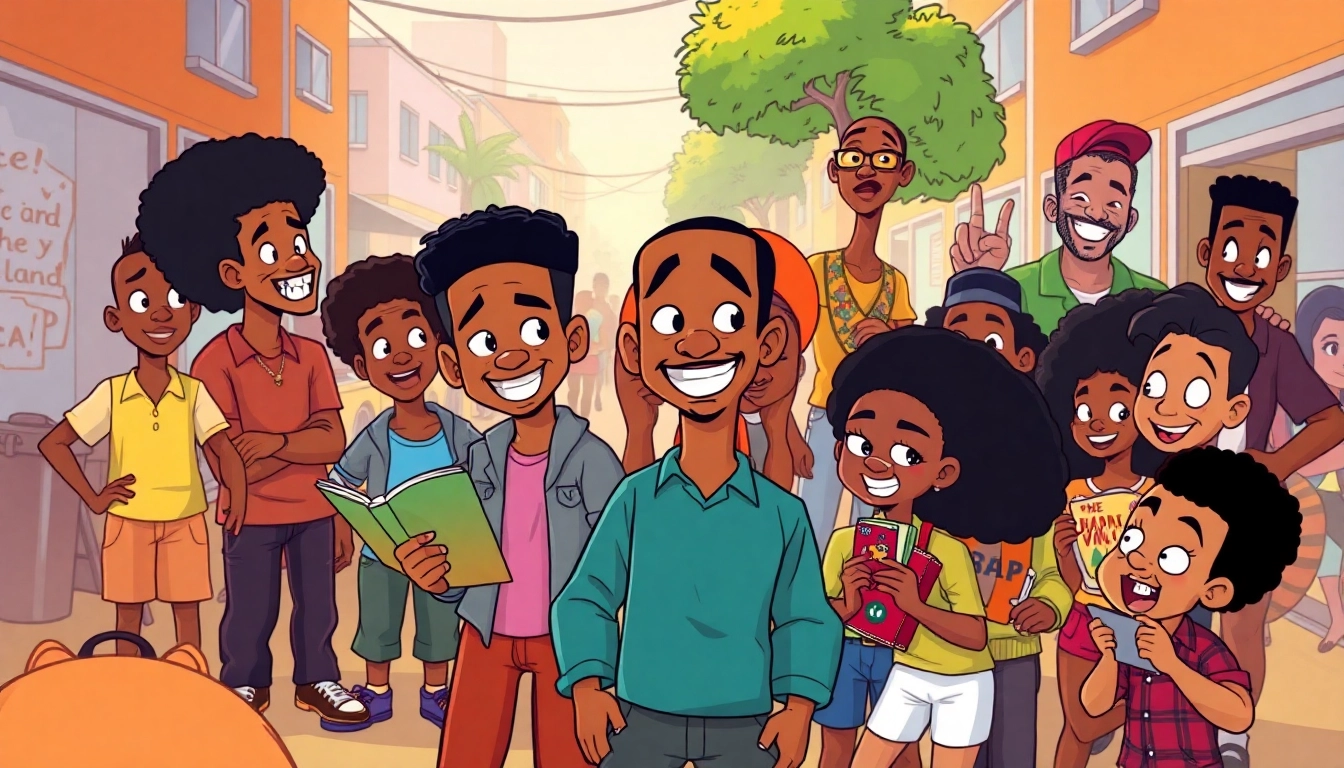
The Evolution of African American Cartoons
African American cartoons have significantly transformed the landscape of animation, representing a vital part of U.S. cultural heritage. From the inception of early cartoons that echoed racial stereotypes to today’s diverse array of animated series that celebrate black culture and address social issues, this genre has undergone profound changes. The evolution of African American cartoons encompasses a rich historical context where art and storytelling intersect with cultural narratives, providing not just entertainment, but also a voice for marginalized communities. As audiences seek authentic representation, platforms devoted to showcasing African American Cartoons have become increasingly vital. African American Cartoons reflect the dynamism and creativity within black culture and hold the potential to inspire future generations.
Historical Context and Influence
The journey of African American representation in animation dates back to the early 20th century, where racial caricatures often depicted stereotypes that contributed to societal stigma. Notable examples include the infamous “Jumping Frog” and characters like “Bimbo,” whose traits echoed derogatory stereotypes. However, it was during the civil rights movement that a shift began to occur. Pioneers like Bill Cosby and others advocated for more nuanced portrayals. This period marked the birth of shows that offered positive representations, laying the groundwork for future generations of creators.
Milestone Animated Works
Among the first major milestones in African American cartoons was the debut of “Fat Albert and the Cosby Kids” in 1972. This show was one of the first to feature a predominantly black cast and aimed to impart moral lessons through relatable stories. Other significant works include “The Boondocks,” which satirically showcased the lives of African Americans in a predominantly white suburb, thus providing commentary on social issues, race, and identity. Such programs have opened the door for a richer exploration of black narratives in animated formats.
Modern Contributions to the Genre
Today, a plethora of animated series continues this legacy. Shows like “The Proud Family,” “Craig of the Creek,” and “She-Ra and the Princesses of Power” feature diverse lead characters and storylines that resonate with younger audiences. These series are not only entertaining but also educate viewers about cultural heritage, fostering a sense of pride and awareness. Moreover, platforms such as streaming services allow creators more freedom to explore themes that may not have been possible in traditional media.
Iconic Characters and Their Impact
The impact of African American cartoon characters extends beyond entertainment; they serve as cultural icons that influence societal perspectives on race, identity, and community. Characters such as Huey and Riley Freeman from “The Boondocks” provide a sharp critique of contemporary social issues, while Frozone from “The Incredibles” presents a positive image of a superhero that resonates with children of color.
Notable Black Characters in Animation
Throughout animation history, numerous black characters have emerged as symbols of empowerment and relatability. For instance, Doc McStuffins, a young black girl who aspires to be a doctor, breaks stereotypes and encourages children to pursue their dreams in science and medicine. Furthermore, characters in modern cartoons often reflect the complex realities of their audiences, paving the way for deeper conversations about race and identity.
Character Evolution Over the Decades
The evolution of character design and narrative depth in African American cartoons is noteworthy. Once primarily utilized as sidekicks or comic relief, black characters now take center stage, leading their own stories and representing diverse experiences. This progression illustrates a greater understanding of the importance of representation and the need to portray multifaceted characters.
Representation in Today’s Cartoons
Today, representation in animation is more crucial than ever. Productions must understand the weight of their portrayals, not only for entertainment purposes but also for societal impact. A growing number of shows are creating storylines that delve into black culture, history, and experiences, promoting empathy among audiences. This change is evidenced in series like “Black Panther: The Animated Series,” which embraces African heritage and explores themes of empowerment and resistance.
Understanding Audience Engagement
Engaging audiences in meaningful ways is essential for the success of African American cartoons. Understanding the demographics of viewers helps creators tailor their content to resonate more profoundly with their target audience.
Demographics of Viewers
Research indicates a diverse audience for African American cartoons. While traditionally aimed at children, these cartoons attract a wide range of viewers, including young adults who grew up with these characters. This intergenerational appeal signifies the importance of cultural narratives that parents wish to share with their children, fostering a continuous thread of cultural appreciation.
Viewer Preferences and Trends
Viewer preferences have shifted significantly, with audiences now demanding authenticity and representation. Shows that incorporate themes of social justice, cultural celebration, and personal identity often perform better with viewers. Animation that resonates with the lived experiences of its audience tends to garner higher ratings and viewer loyalty.
The Role of Streaming Platforms
Streaming platforms have revolutionized how audiences consume African American animation. With on-demand access, viewers can explore a variety of shows that cater to diverse tastes and preferences. Platforms that prioritize African American cartoons contribute to increased visibility for creators, leading to more opportunities to produce content that authentically reflects the community.
Challenges and Opportunities in Production
Although there are numerous opportunities within the African American animated landscape, challenges persist in the production process that can hinder creativity and representation.
Barriers to Entry for Creators
Many aspiring African American animators face barriers, including limited access to funding and industry connections. These hurdles often restrict the diversity of storytelling in animation. However, initiatives aimed at fostering mentorship and funding opportunities for creators of color are emerging, helping to bridge these gaps.
Funding and Support for Animated Projects
Securing funding for animated projects remains a significant challenge. Grants, sponsorships, and partnerships with established studios can provide the necessary resources to bring unique stories to life. Crowdfunding is becoming a viable option for many creators to fund their projects directly through community support.
Future Prospects for New Creators
As the animation industry continues to evolve, the prospects for new African American creators look promising. Increased awareness of representation has opened the doors for more inclusive storytelling, and with the rise of social media, creators can build their brands and audiences independently. This shift empowers a new generation of animators to share their stories and celebrate their heritage through animation.
Looking Ahead: Future Trends in African American Animation
The future of African American cartoons holds exciting possibilities as cultural influences and artistic styles continue to evolve.
Emerging Styles and Techniques
Innovative animation techniques and styles are increasingly being adopted by African American creators. A blend of traditional and digital animation, along with mixed media, is becoming popular, allowing for more creative storytelling and visual representation.
Cultural Influences Shaping the Future
As global culture becomes more interconnected, African American animation is likely to incorporate influences from various cultures, broadening narratives and enriching storytelling methods. This fusion can create a more inclusive animation landscape that reflects the diversity of its viewers.
Predictions for the Animation Industry in 2026
By 2026, we can anticipate an even greater emphasis on authentic storytelling within African American cartoons. Stories will likely tackle complex social issues head-on, promoting dialogues about race and identity. Furthermore, technological advancements in animation will allow for more polished productions, increasing accessibility for diverse stories that resonate with larger audiences. The animation landscape continues to shift, and as it does, African American creators will be at the forefront of driving change, inspiring generations to come.
 Jennifer Johnson