

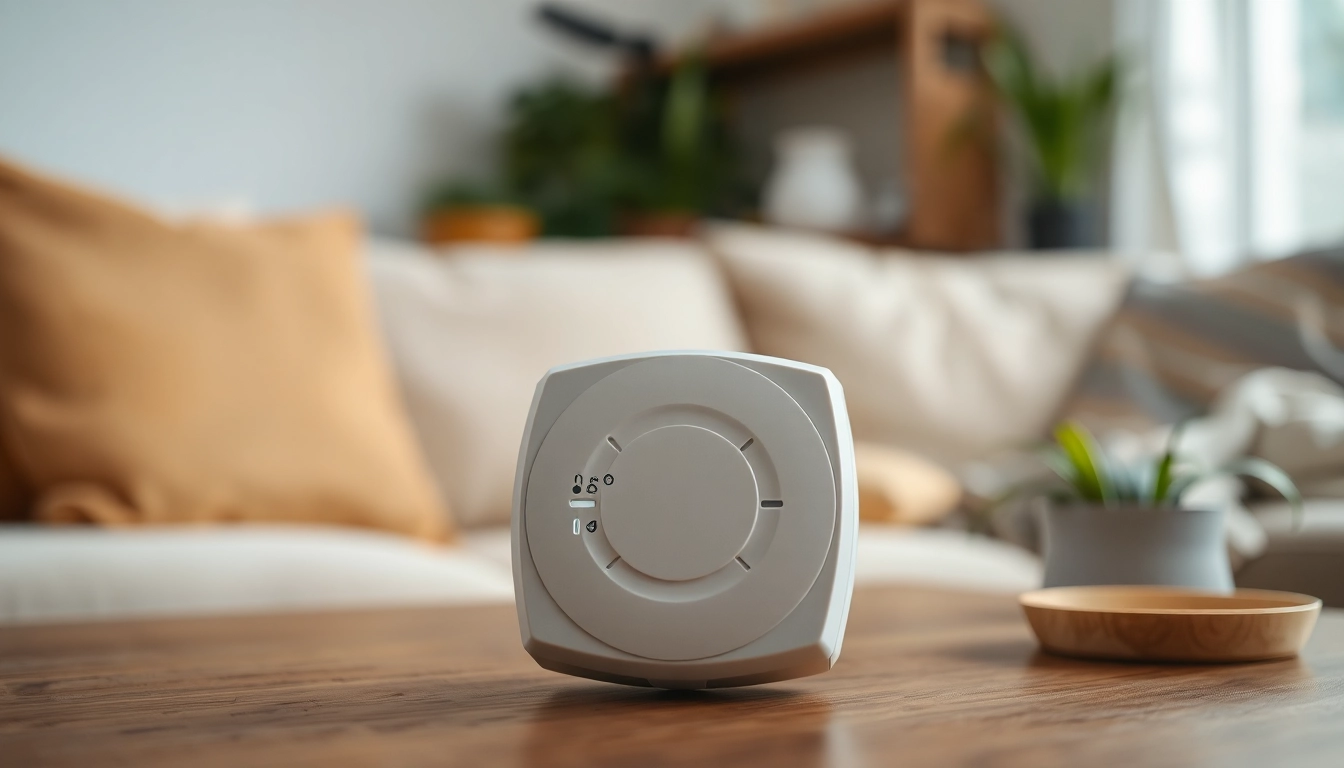
Understanding Carbon Monoxide Detectors
Carbon monoxide (CO) is a colorless, odorless gas produced by the incomplete combustion of fossil fuels. It is often referred to as the “silent killer” because it can be fatal without warning. Carbon monoxide detectors are essential devices designed to monitor levels of this dangerous gas in our homes and alert occupants when dangerous concentrations are detected. Understanding the functionality and importance of these detectors is crucial for ensuring safety in residential and commercial properties. If you’re experiencing issues such as a carbon monoxide detector beeping, it’s vital to comprehend the underlying causes and appropriate responses.
What is Carbon Monoxide and Why is it Dangerous?
Carbon monoxide is a byproduct of burning fuels, such as natural gas, wood, coal, and gasoline. When combustion is complete, it produces carbon dioxide, a harmless gas. However, when there is insufficient oxygen present during burning, CO is formed, which can accumulate in enclosed spaces. The danger of carbon monoxide lies in its toxicity; it binds with hemoglobin in the blood more effectively than oxygen, reducing the blood’s capacity to deliver oxygen to vital organs and tissues.
Exposure to carbon monoxide can lead to a range of health issues, including:
- Headaches
- Nausea and vomiting
- Dizziness
- Confusion
- Loss of consciousness
- Fatalities in severe cases
Understanding the risks associated with CO exposure is critical, as high levels can lead to poisoning and death within minutes in a poorly ventilated area. Therefore, having a reliable carbon monoxide detector is not just an option; it’s a necessity.
How Carbon Monoxide Detectors Work
Carbon monoxide detectors function by using sensors to detect the concentration of CO in the air. Most detectors work on one of two primary principles:
- Electrochemical Sensors: These sensors detect carbon monoxide by using a chemical reaction that generates a small electrical current. As CO is absorbed by the sensor, it triggers an alarm when a specific concentration level is reached.
- Metal-Oxide Semiconductor Sensors: These sensors measure the change in resistance of a semiconductor material when carbon monoxide is present. When CO interacts with the material, it alters the resistance, signaling the device to sound an alarm.
Modern units may combine various technologies to enhance reliability and reduce false alarms. Furthermore, effective detectors are often equipped with features such as digital readings, low battery indicators, and even connectivity to smart home systems for remote monitoring. Understanding how these devices work can help homeowners select the right unit and ensure its optimal use.
Key Features to Look for in a Detector
When choosing a carbon monoxide detector, there are several important features to consider:
- Sensor Technology: Select a model that uses reliable sensor technology, such as electrochemical sensors, for accuracy and longevity.
- Digital Display: A digital display provides real-time CO levels, allowing users to assess risk levels immediately.
- Battery Backup: Ensure the device has a battery backup system in case of power outages, ensuring continued safety.
- Connectivity: Many modern detectors offer smart home compatibility, allowing alerts to be sent directly to your smartphone.
- Test and Silence Buttons: These features allow for easy testing of the unit’s functionality and silencing of false alarms.
Investing in a quality carbon monoxide detector equipped with these essential features can significantly enhance safety and improve peace of mind in any home.
Common Reasons for Carbon Monoxide Detector Beeping
When a carbon monoxide detector beeps, it is vital to understand the common reasons behind the alarm. Different beep patterns may indicate specific issues that require attention.
Low Battery Warnings
One of the most common reasons for a carbon monoxide detector to beep is a low battery warning. Most detectors will emit a chirp or a series of beeps at regular intervals, typically indicating that the battery needs to be replaced. It’s essential to address this immediately to ensure the device remains functional. A simple battery replacement can usually resolve the issue.
Expired Detectors
Every carbon monoxide detector has a lifespan, often ranging from 5 to 7 years, depending on the model. After this time, detectors may emit a series of beeps to signal that they need to be replaced. Failure to replace an expired detector leaves households vulnerable to undetected carbon monoxide exposure, thus endangering occupants’ safety.
Environmental Factors Influencing Alarms
Various environmental factors can also cause detectors to beep. High humidity, smoke from cooking or candles, and even dust accumulation can trigger false alarms. If the beeping persists after addressing low battery issues or replacing older units, it may be necessary to examine the surrounding environment more closely. Ensuring that detectors are kept clean and placed appropriately can reduce the chances of false alarms.
Steps to Take When Your Detector Beeps
If you find yourself in a situation where your carbon monoxide detector is beeping, it is crucial to take immediate action. Here’s what you should do:
Immediate Safety Actions
The first and most important step is to ensure the safety of all occupants. If your alarm sounds, follow these guidelines:
- Evacuate everyone from the premises immediately.
- Do not re-enter until it is confirmed safe by professionals.
- If anyone exhibits symptoms of CO poisoning—such as headaches, dizziness, or confusion—seek medical attention right away.
- Open doors and windows to ventilate the area if it can be done safely.
Identifying the Source of the Problem
Once you are in a safe location, it is crucial to identify the potential source of carbon monoxide. Common culprits include:
- Malfunctioning gas appliances
- Blocked or malfunctioning chimney
- Running vehicles in attached garages
Consider calling a qualified technician to inspect appliances, heating systems, and any potential CO sources in your home.
Calling Emergency Services
If the alarm continues to beep or you suspect high levels of carbon monoxide, contact emergency services immediately. Providing the location and details of your situation will help first responders assist you quickly and effectively. Do not ignore the alarm; quick action can save lives.
Best Practices for Maintaining Carbon Monoxide Detectors
Proper maintenance of carbon monoxide detectors is essential to ensuring they function correctly and provide reliable alerts. Below are best practices that homeowners should follow:
Regular Testing and Maintenance
Carbon monoxide detectors should be tested regularly—ideally once a month. Most units have a test button that allows you to check functionality. Follow the manufacturer’s instructions for testing and maintenance, and replace batteries at least once a year, or sooner if the low battery alert is activated. Maintaining a proactive schedule can prevent unexpected issues and ensure reliability.
Optimal Placement within Your Home
For maximum effectiveness, carbon monoxide detectors should be strategically placed throughout your home. Install detectors on every level of your home, especially near sleeping areas. Avoid placing them near windows, doors, or vents, as outside air can impact readings. Additionally, consider the height; since CO is roughly the same weight as air, detectors should be installed at an appropriate height, preferably on the wall or ceiling.
Updating Systems and Keeping Records
Finally, keeping records of your carbon monoxide detectors’ maintenance is essential. Note the purchase date, installation date, and any maintenance performed. This documentation will help track when it’s time for replacement and ensure that all units are functioning optimally.
When to Replace Your Carbon Monoxide Detector
Recognizing when to replace your carbon monoxide detector is crucial for ongoing safety. Here are some signs to consider:
Signs of Wear and Tear
Regularly inspect your detectors for any visible signs of wear and tear. Physical damage, discoloration, or corrosion are indicators that the device may no longer function correctly. Pay attention to beeping patterns, and if they change significantly, it may be time for a replacement.
Understanding Lifespan and Recommendations
As previously mentioned, the average lifespan of a carbon monoxide detector is typically between 5 to 7 years. Check the manufacturer’s instructions for specific recommendations regarding replacement. If you cannot recall when the unit was purchased or installed, it’s best to err on the side of caution and replace it.
Choosing the Right Replacement Model
When selecting a new carbon monoxide detector, remember to consider the features discussed above. Additionally, look for models that comply with safety standards and regulations relevant to your area. Research reviews and ratings to find a reliable brand that suits your needs and budget.