

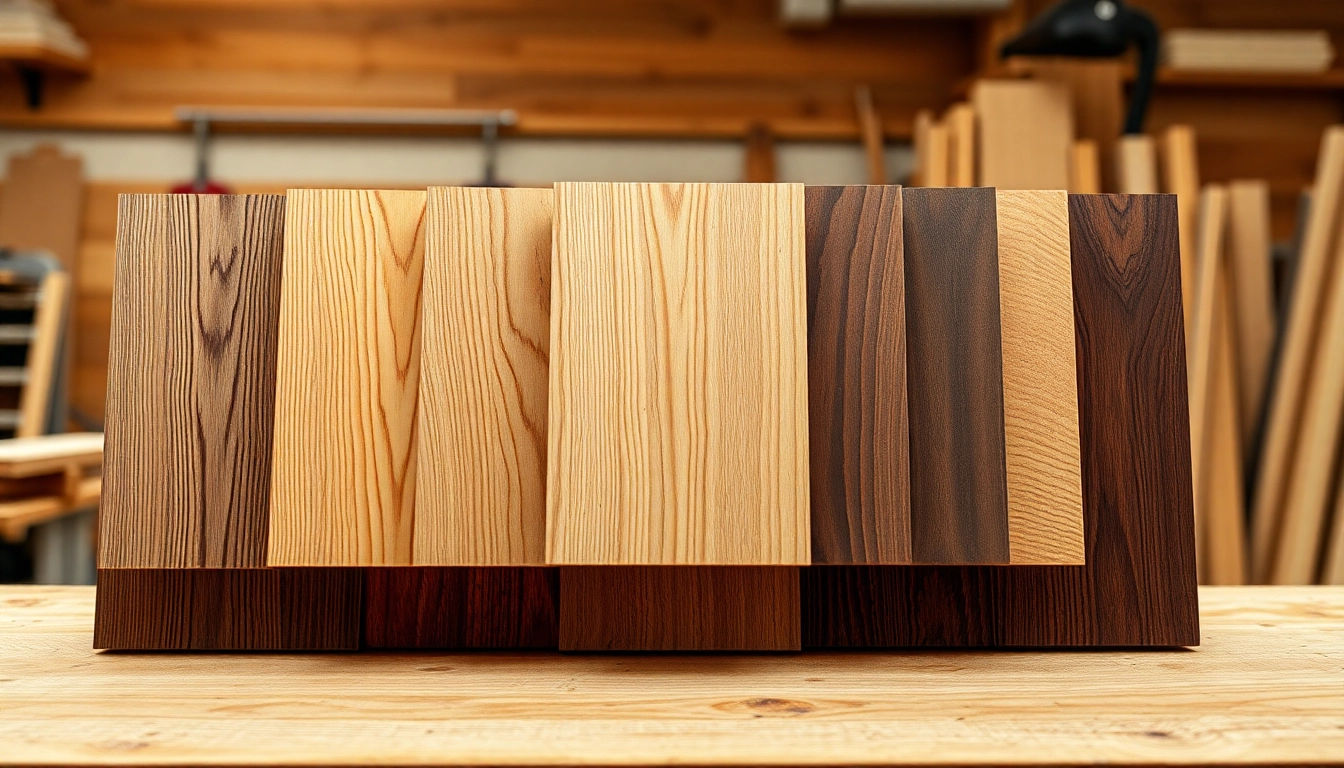
Understanding Wood Veneer Sheets
What are Wood Veneer Sheets?
Wood veneer sheets are thin slices of wood, generally less than 3mm in thickness, sliced from logs or boards. These sheets are engineered to maintain the natural aesthetic and texture of solid wood while allowing for a significantly lighter and more flexible option. Commonly used in furniture, cabinetry, and interior design, wood veneer sheets enhance the appearance of a range of surfaces without the cost and weight of solid wood. They come in various species and finishes, offering versatility for any project. If you’re looking to incorporate beautiful wood finishes into your design, wood veneer sheets are an excellent choice.
The Benefits of Using Wood Veneer Sheets
Choosing wood veneer sheets offers numerous advantages, making them a popular choice among woodworkers and DIY enthusiasts alike. Some of the key benefits include:
- Cost-Effective: Compared to solid wood, veneer sheets are significantly cheaper, allowing users to access the beauty of high-end woods without breaking the bank.
- Lightweight: The thin nature of veneer sheets means they are much lighter and easier to work with, facilitating complex designs and installations.
- Environmentally Friendly: Veneer sheets use less wood than solid lumber, making them a more sustainable option. They can be crafted from faster-growing tree species, further reducing environmental impacts.
- Aesthetic Flexibility: Available in a wide range of wood species, finishes, and textures, veneer sheets can closely mimic the look of solid wood, offering a plethora of design options.
- Stability: Veneer sheets, when properly applied, are less likely to warp or split compared to solid wood, yielding a more durable finish.
Types of Wood Veneer Sheets Available
Wood veneer sheets come in different types based on their source material and methods of production. Understanding various types will help you select what best suits your project:
- Natural Wood Veneer: Sliced from logs, these veneers showcase the original grain patterns and colors of the wood species.
- Reconstituted Veneer: Manufactured by combining different wood fibers, these offer consistent patterns and colors, providing a sustainable alternative to rare woods.
- Backed Veneer: These sheets have a backing material (like paper or fabric) for added stability and ease of handling, suitable for various applications.
- Dyed Veneer: Enhanced with dyes to create unique colors while preserving the natural wood grain, dyed veneers can be striking in design.
- Wood Laminate: Composed of multiple layers for added durability, wood laminates can serve as a cost-effective alternative to both solid wood and veneer.
Choosing the Right Wood Veneer Sheets for Your Project
Factors to Consider When Selecting Wood Veneer Sheets
When deciding on wood veneer sheets for your project, it is essential to consider several factors to ensure the best outcome:
- Project Type: Determine whether the project requires high durability (like countertops) or aesthetic appeal (like cabinetry).
- Wood Species: Choose a species that complements your overall design theme, be it rustic, modern, or classic.
- Finish Preferences: Consider the desired finish and look; some veneers are naturally beautiful, while others may require staining or sealing.
- Thickness: The thickness of the veneer will influence its durability and application methods. Thicker veneers are more robust and easier to work with.
- Backer Type: Think about the backing material’s quality as it affects the ease of application, durability, and maintenance.
Matching Wood Veneer Sheets with Your Design
Matching wood veneer sheets to your design style is crucial for achieving a cohesive appearance. Here are some tips:
- Color Coordination: Compare veneer colors with existing room colors or furniture. Look for complementary or contrasting colors to create desired effects.
- Grain Pattern: Pay attention to the grain; a consistent grain pattern can enhance flow and visual interest within a space.
- Finish Types: Consider different finishes, like matte, glossy, or textured, to match your design aesthetic and practical needs.
- Scale and Proportion: Choose veneers that suit the scale of your furniture or decor items to create balance and harmony in the design.
Common Uses for Wood Veneer Sheets
Wood veneer sheets can be used in various applications, making them incredibly versatile:
- Furniture: Perfect for creating beautiful cabinets, tables, and shelving that look elegant without the weight of solid wood.
- Interior Walls: Veneers can be applied to feature walls, adding warmth and texture to living spaces.
- Doors: Custom doors can benefit from veneer applications, offering unique styles while maintaining lightweight properties.
- Musical Instruments: Veneer sheets are often used to finish musical instruments, providing both aesthetic appeal and acoustic properties.
- Architectural Features: Used in decorative elements like moldings and trim to elevate the style of interior architecture.
How to Work with Wood Veneer Sheets
Tools Required for Veneering
Starting your veneering project requires some essential tools and materials:
- Adhesives: Use wood glue or contact cement, depending on the application method.
- Cuts Tools: A sharp utility knife or veneer saw is essential for making clean cuts.
- Trimmer: A veneer trimmer or router can give you precise edges for a professional finish.
- Roller or Press: These tools help remove air bubbles and ensure a strong bond between the wood and the adhesive.
- Sandpaper: Use fine-grit sandpaper to finish edges and ensure a smooth surface for finishing.
Step-by-Step Guide: Applying Wood Veneer Sheets
Here’s a simplified guide on how to apply wood veneer sheets effectively:
- Surface Preparation: Make sure the surface is clean, dry, and smooth to provide better adhesion.
- Cutting the Veneer: Measure and cut the veneer sheet slightly larger than the area being covered for better handling.
- Apply Adhesive: Evenly spread the adhesive on the back of the veneer or on the substrate, based on the chosen method.
- Align and Press: Carefully position the veneer on the surface, ensuring accurate alignment, and press down firmly.
- Remove Air Bubbles: Use a roller or cloth to push out any air bubbles and ensure even adhesion.
- Trim Edges: Once the adhesive cures, trim excess veneer using a sharp knife for a clean edge.
- Finish: Sand and apply your chosen finish to enhance and protect the veneer.
Finishing Techniques for Wood Veneer Sheets
Proper finishing will enhance the appearance and durability of wood veneer sheets. Here are techniques to consider:
- Sanding: After application, sand the surface lightly with fine-grit sandpaper to achieve a smooth finish before applying any coats.
- Sealing: Use a wood sealer to provide a protective layer against moisture and stains before applying other finishes.
- Varnishing: Apply water-based or oil-based varnish to achieve a desired sheen and enhance the wood grain, options vary from satin to gloss.
- Coloring: If you wish to change the hue, consider applying stains or dyes before sealing to enrich the wood veneer appearance.
- Polishing: Once the final finish has dried, polish with a soft cloth for a warm glow that emphasizes the wood’s natural beauty.
Maintenance and Care for Wood Veneer Sheets
How to Clean Wood Veneer Sheets Properly
To maintain the beauty of wood veneer sheets, regular cleaning is essential. Here are some guidelines:
- Dust Regularly: Use a soft, lint-free cloth to remove dust and prevent buildup.
- Wipe Spills Immediately: Clean liquid spills promptly with a damp cloth to avoid damage from moisture.
- Avoid Harsh Cleaners: Do not use abrasive cleaners or chemicals that can damage the veneer; a mild soap solution is best.
- Protect from Sunlight: Overexposure to direct sunlight can fade the veneer finish; use window treatments to minimize exposure.
Protecting Wood Veneer Sheets from Damage
Taking steps to protect your wood veneer sheets can prolong their lifespan:
- Use Coasters: Always place coasters under drinks to prevent rings and moisture damage.
- Avoid Direct Heat: Keep hot items off veneer surfaces to prevent warping and discoloration.
- Control Humidity: Maintain consistent humidity levels in your home, ideally between 30-50% to prevent cracking or peeling.
- Routine Inspections: Regularly check for scratches or damage and address any issues promptly.
Repairing Common Issues with Wood Veneer Sheets
In the event of damage to your wood veneer sheets, here are corrective measures:
- Minor Scratches: Touch-up markers or wood pens in matching colors can effectively conceal scratches.
- Peeling Edges: Re-glue any peeling edges with a suitable adhesive and apply pressure until cured.
- Water Damage: Gently dry the area and apply a matching finish to restore its appearance and protect from further damage.
- Cracking: If a crack appears, it may require filling with a wood filler before refinishing.
FAQs about Wood Veneer Sheets
What are the disadvantages of wood veneer sheets?
Wood veneer sheets are thin and may chip or peel more easily than solid wood, making them less durable. Repairs can be tricky since they cannot be sanded and refinished like solid wood.
Can I use wood veneer sheets for furniture?
Yes, wood veneer sheets are widely used for furniture, providing an attractive finish while being cost-effective and lightweight compared to solid wood.
How do I apply wood veneer sheets?
To apply wood veneer sheets, use a suitable adhesive, align the sheet carefully, and press it firmly onto the surface while ensuring no air bubbles remain.
Are wood veneer sheets eco-friendly?
Wood veneer sheets can be more eco-friendly than solid wood, as they utilize less material and can be sourced from fast-growing or sustainably managed species.
What finishes work best for wood veneer sheets?
Oil-based finishes, varnishes, and shellacs are effective for enhancing the appearance and durability of wood veneer sheets, providing a protective layer against wear.