

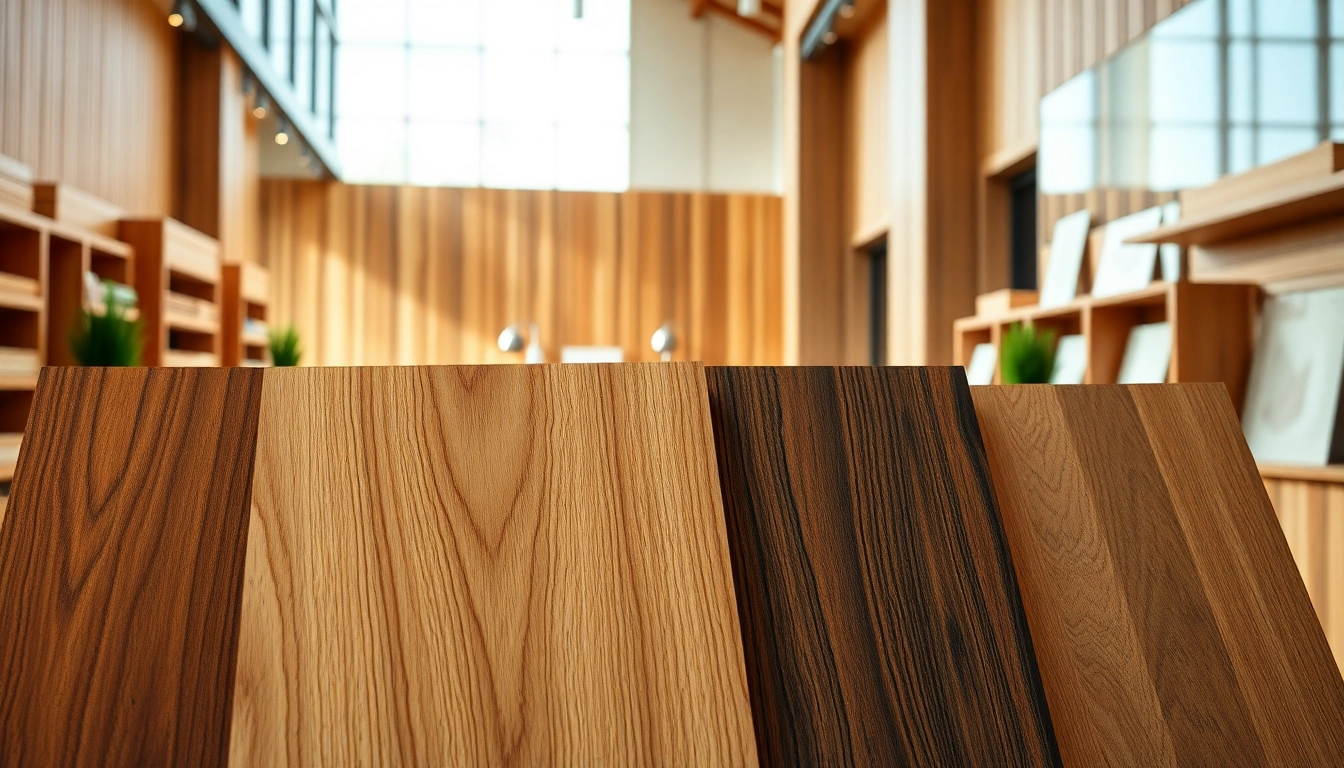
Understanding Wood Veneer Sheets
What are Wood Veneer Sheets?
Wood veneer sheets are thin slices of wood, typically thinner than 3mm, that are obtained from logs. They are meticulously crafted through slicing or peeling the wood, resulting in a flat, decorative surface. These sheets are ideal for applications where solid wood may be too heavy or expensive. The versatility and beauty of wood veneer sheets make them a popular choice in furniture, cabinetry, and wall coverings.
Types of Wood Veneer Materials
Various types of wood veneer materials are available, each offering unique aesthetics and properties. Some of the most common types include:
- Natural Veneer: This comes directly from trees and showcases the wood’s natural grain and color.
- Reconstituted Veneer: Made from wood fibers that are dyed and glued together, reconstituted veneers can mimic natural wood grains while remaining consistent in color.
- Backed Veneer: A veneer that has a backing material for added stability, which makes it easier to work with.
- Dyed Veneer: This type of veneer has been artificially colored to achieve specific hues that may not be achievable through natural grains.
Common Uses and Applications
Wood veneer sheets are widely used across various industries due to their aesthetic appeal and functional benefits. Common applications include:
- Furniture: Veneers are used to finish tabletops, cabinets, and drawers, providing a luxurious look at a lower cost than solid wood.
- Interior Paneling: Veneers can be applied to wall panels to add warmth and character to a room.
- Musical Instruments: High-quality veneers are often used in crafting pianos and guitars for superior aesthetics and sound.
Benefits of Using Wood Veneer Sheets
Eco-friendly Choices for Sustainable Design
Wood veneer sheets are an environmentally friendly choice as they allow for the efficient use of wood resources. Instead of using large quantities of solid wood, veneers enable manufacturers and designers to create beautiful products with less material. This makes them a sustainable option, especially when sourced from responsibly managed forests.
Cost-Effective Design Solutions
Using wood veneer sheets can significantly reduce costs compared to solid wood. Because veneers provide a high-end appearance without the expense, they are ideal for budget-conscious projects. This cost-effectiveness enables designers to utilize premium aesthetics in larger-scale applications, such as custom-built furniture or extensive cabinetry.
Variety in Aesthetic Appeal
Wood veneer sheets are available in an astonishing array of species, colors, and grain patterns. This variety allows for endless design possibilities, enabling architects and decorators to select the perfect veneer that complements their vision. From rich mahogany to light birch, the aesthetic flexibility of veneers adds to their widespread appeal.
How to Choose the Right Wood Veneer Sheets
Consider Your Project Requirements
Before selecting wood veneer sheets, define the specific requirements of your project. Consider the intended application, the aesthetics needed, and the environment in which it will be used. For example, if you require veneers for high-traffic areas, opt for tougher species like oak or maple.
Evaluating Grain Patterns and Colors
The grain pattern and color of the veneer play significant roles in the overall look of a project. Review sample sheets to see how different cuts and patterns affect the final appearance. Additionally, consider how the veneer will pair with other materials and finishes in your space.
Understanding Thickness and Durability
Wood veneer sheets come in various thicknesses, typically ranging from 0.5mm to 2.5mm. Thicker veneers provide more durability and may be suitable for applications like furniture, while thinner veneers are generally better for decorative purposes. Assess your project’s specific needs for durability and finish when deciding on thickness.
Installation Tips for Wood Veneer Sheets
Surface Preparation Guidelines
Proper surface preparation is crucial for successful veneer application. Ensure the surface is clean, dry, and smooth. Sand any rough edges and remove any dust or debris to create an optimal bonding surface. If working with existing furniture, stripping or sanding the old finish can ensure better adhesion.
Adhesive Options and Techniques
Selecting the right adhesive is vital for a long-lasting bond. Options range from contact adhesives to water-based glues. For large surface areas, consider using a roller or brush to apply adhesive evenly. Follow the manufacturer’s instructions for drying times and application methods for best results.
Finishing Touches for a Professional Look
After applying the veneer, consider finishing techniques that can enhance the appearance and durability. Applying a clear coat or sealant can protect the veneer while allowing its natural beauty to shine. For a polished look, sanding between coats and using fine-grit sandpaper will produce a smooth finish.
Care and Maintenance for Longevity
Regular Cleaning Best Practices
Maintaining wood veneer sheets involves regular dusting and cleaning. Use a soft, dry cloth to remove dust. For deeper cleaning, a damp cloth with mild soap can be used, but avoid soaking the veneer as excessive moisture may warp or damage it. Always dry the surface promptly after cleaning.
Protecting Against Damage and Wear
To extend the life of your wood veneer, consider applying protective coasters under drinks and using mats under hot dishes. Avoid placing heavy items directly on the veneer, and refrain from exposing it to direct sunlight to prevent fading or warping.
Restoration Techniques to Extend Life
If your veneer shows signs of wear or damage, restoration techniques can help revive its beauty. Light scratches can often be buffed out with fine sandpaper or polish. In cases of severe damage, consider re-veneering a section or using wood filler on smaller blemishes followed by sanding and finishing.
Frequently Asked Questions
What is the average lifespan of wood veneer sheets?
Wood veneer sheets can last for decades with proper care, making them a durable option for many applications, especially furniture.
Can wood veneer sheets be painted or stained?
Yes, wood veneer sheets can be stained or painted. Ensure you use compatible products to achieve the desired finish without compromising the veneer.
Are wood veneer sheets suitable for outdoor use?
Wood veneer sheets are generally not recommended for outdoor applications unless they are specifically treated for moisture resistance.
How do I repair a damaged wood veneer sheet?
For minor damages, use wood filler to fill in scratches or dents. For larger issues, consider re-veneering the affected area for a seamless repair.
Can wood veneer sheets be used on curved surfaces?
Yes, wood veneer sheets are flexible enough to be applied to curved surfaces. Choose a backing material that suits the application to enhance flexibility.